‘We’re just asking for a space’: St. Louis archbishop on ICE detainee access
Archbishop Rozanski said the dispute over sacraments at a Missouri detention center could have “national repercussions” for pastoral care of migrants.
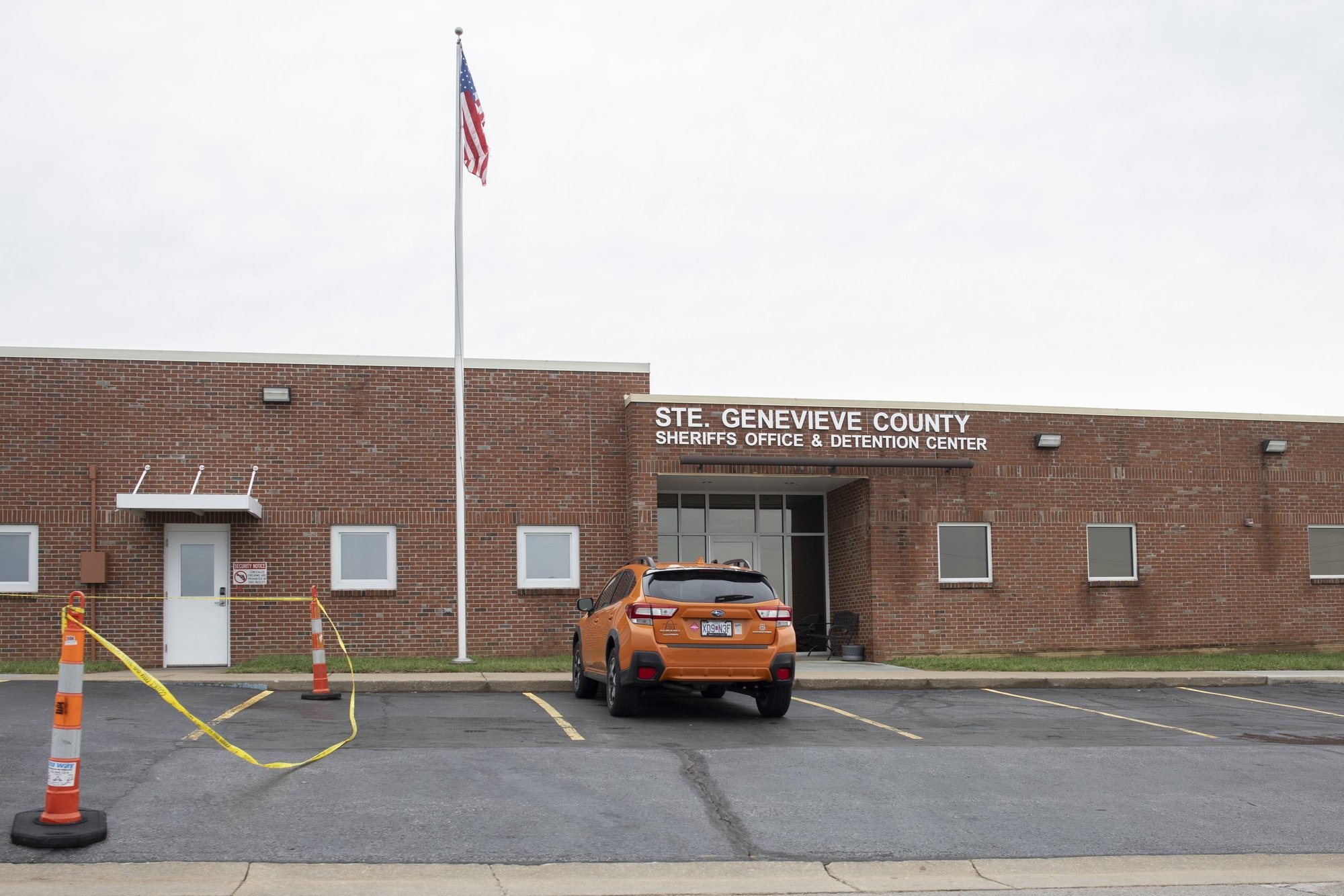
Priests in the Archdiocese of St. Louis attempted to seek accommodations to ensure their ability to distribute Communion to and hear confessions for U.S. Immigration and Customs Enforcement detainees before it filed a federal lawsuit in October, Archbishop Mitchell T. Rozanski said Nov. 17.
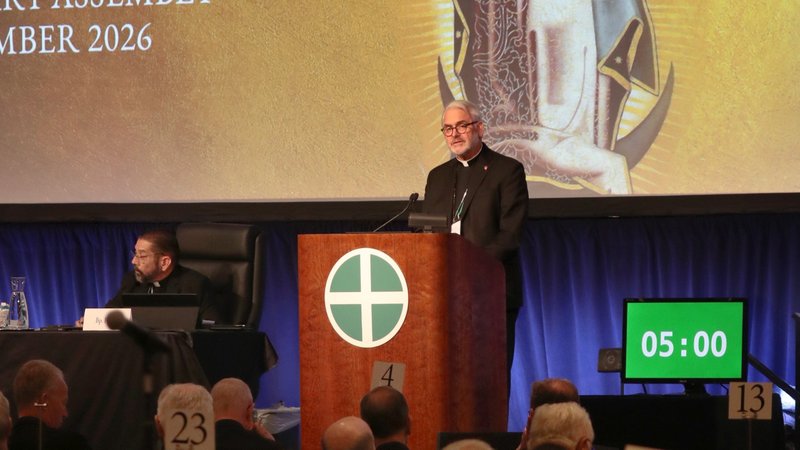
The archbishop made the comments in an interview with OSV News during the U.S. Conference of Catholic Bishops' fall plenary assembly in Baltimore.
The issue originated, Archbishop Rozanski said, when about a dozen priests seeking to minister to those in detention went to the prison and they "were only allowed to speak to the detainees on the telephone through the glass."
"They were not able to hear confessions," he said. "They were not able to give them Communion. Not able to celebrate Mass. Nothing of the sacraments."
The lawsuit, filed in the U.S. District Court for the Eastern District of Missouri, said the Ste. Genevieve County Detention Center -- which ICE uses for migrants awaiting deportation proceedings -- has refused to accommodate clergy seeking to provide sacraments to migrants held there, due to their no-contact policy that prevents priests from meeting detainees face to face. The policy has left clergy unable to provide sacraments to detainees.
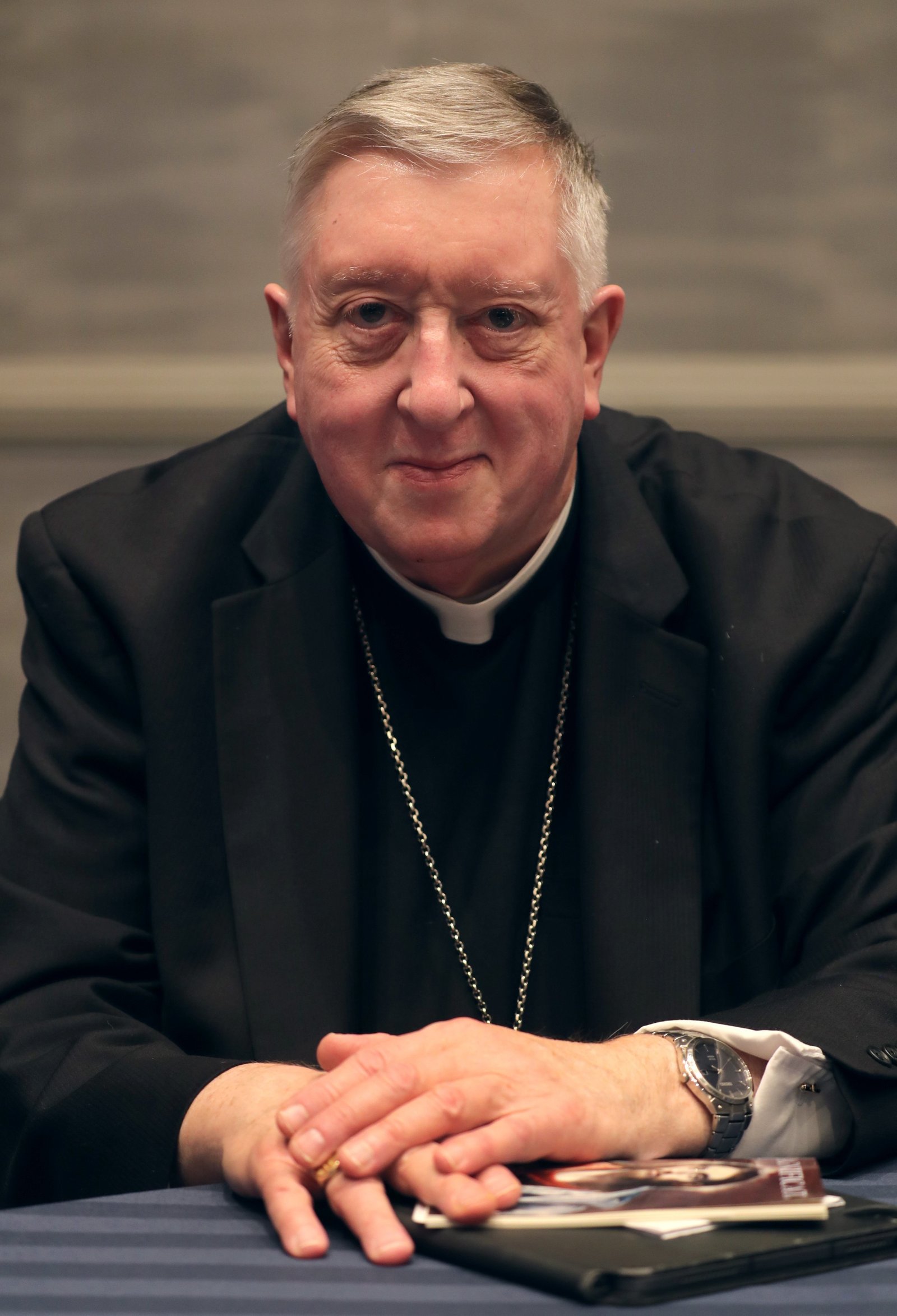
"We're just asking for a space, as we are given in other incarceration institutions in Missouri prisons," Archbishop Rozanski said. "We're given a space to have Mass. We're given a space to meet for reconciliation. I myself have been in other prisons where I have been able to hear the sacrament of reconciliation to celebrate Mass, and we've had no problems. But it's just in this facility."
But efforts to gain the necessary accommodations to provide the sacraments to those in ICE detention were disregarded by the prison, he said.
"There was a suggestion made to the priest that they could pass holy Communion in an envelope, and somebody would give it to them on the other side," Archbishop Rozanski said. "That's not the way we receive Communion."
St. Louis Magazine recently reported that the facility made some modifications, notably a window in a steel door, to allow for the distribution of Communion while conducting Mass via video.
A spokesperson for the Department of Homeland Security, which oversees ICE, did not immediately return a request for comment from OSV News about whether they planned to make accommodations for reconciliation.
Archbishop Rozanski said that a key accommodation they are seeking is that "there would be no electronic communication involved if the detainees are going to the sacrament of reconciliation."
The issue, he said, could have "national repercussions."
Earlier the same day in remarks to reporters at a press conference, Archbishop Paul S. Coakley of Oklahoma City, president of the USCCB, identified "providing adequate pastoral and spiritual care" to those in detention centers as being among the U.S. bishops' key concerns about migration policy.
Archbishop Rozanski added, "The Catholic Church reaches out to everyone, and especially those who are most vulnerable and most in need. And I can't think of anyone in a situation like that, who is a detainee who's separated from family, who's facing an uncertain future, who would be as vulnerable as that?"

Kate Scanlon is the National Reporter (D.C.) for OSV News.