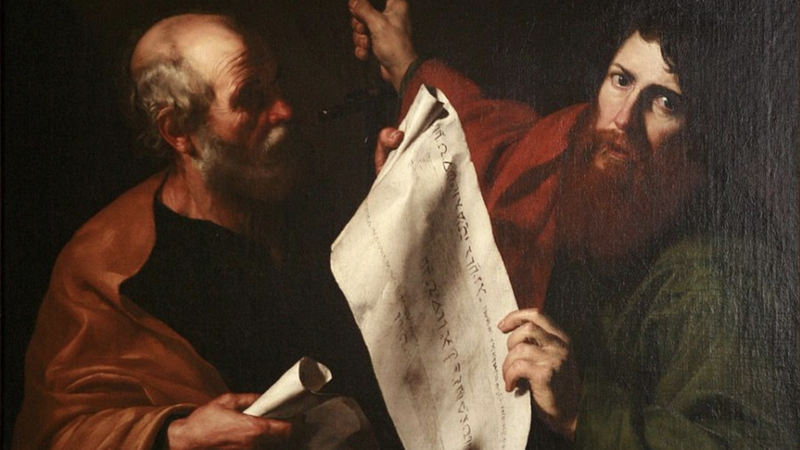
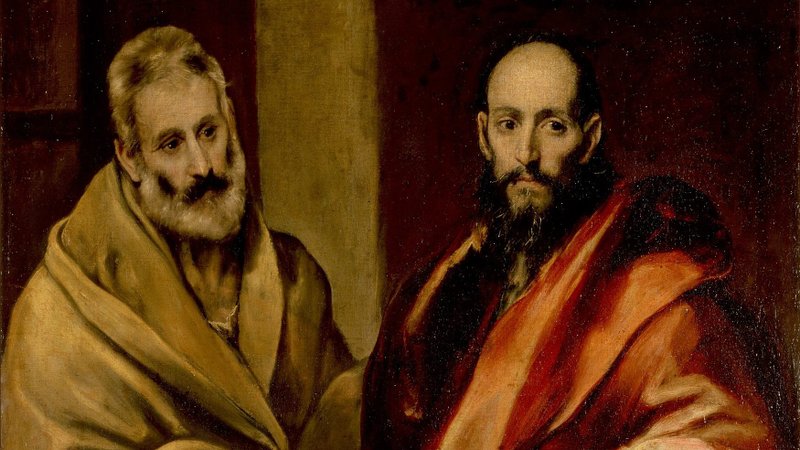
How Sts. Peter and Paul changed the world by not being themselves
It is easy to feel overwhelmed. It is easy to imagine that decline is inevitable. Peter and Paul knew a world like that. They also knew Jesus Christ.
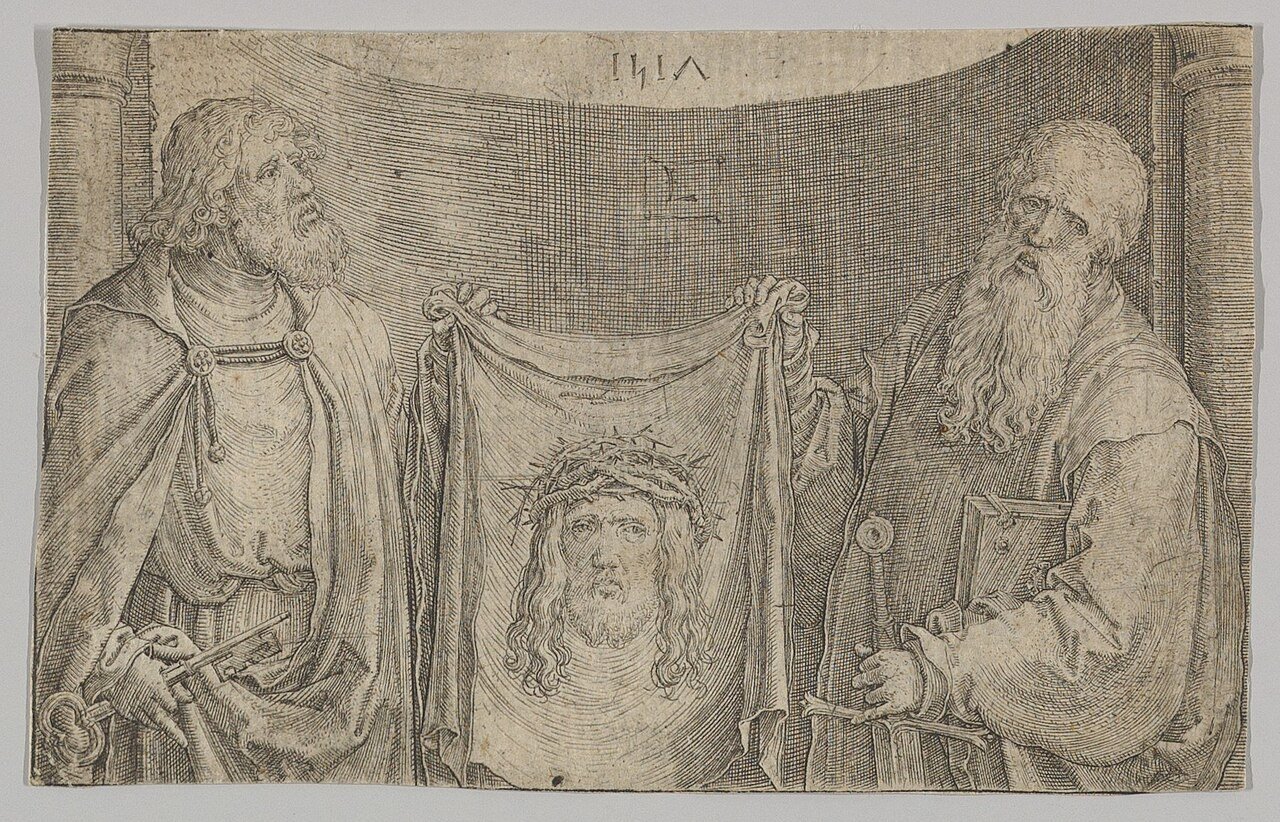
I’ve made many pilgrimages to Rome and led many others there. Yet I never tire of returning to the basilicas of St. Peter and St. Paul. They still move me. And what draws me back is what lies beneath: the tombs of two men who answered Jesus’ call and changed the world.
On Nov. 18, the Church celebrates the dedication of these basilicas. We honor buildings because we honor the apostles whose bodies they shelter — and the Lord whose life those apostles made their own.
We meet both men in the New Testament. Peter was a fisherman whom Jesus called from his nets. Paul was a persecutor whom the risen Jesus confronted on the road to Damascus. Neither had planned an apostolic career. Christ interrupted their lives and gave them something greater.
Both eventually came to Rome, the capital of an empire that claimed dominion over the world. They came as servants of a crucified man.
Their association with Rome belongs to Christianity’s earliest history. Writing to the Corinthians around A.D. 67, St. Clement held up Peter and Paul as examples of faithful endurance. Their suffering was already part of the Roman Church’s living memory.
They consecrated the city by their blood, shed for Jesus. Rome’s rulers could sentence them to death. They could not stop the life Christ communicated through them.
What made these apostles so effective?
Paul gave the answer: “Be imitators of me, as I am of Christ” (1 Corinthians 11:1).
That sounds audacious until we recognize its humility. Paul wanted people to follow him because he was following Jesus. His ambition was to make Christ visible.
Peter taught the same lesson. Christ suffered for us, he wrote, leaving an example so that we might follow in his steps (1 Peter 2:21).
They wanted to imitate Jesus in everything: his prayer, his mercy, his courage, his obedience, his willingness to suffer for those he loved. Their martyrdom completed a gift they had been making every day.
This is why we visit their tombs. This is why we should read their words. We need to learn their way of living.
Our own society seems increasingly drawn to attitudes familiar in the world they evangelized: contempt for weakness, sexual exploitation, the abandonment of unwanted lives, the worship of power and pleasure. It is easy to feel overwhelmed. It is easy to imagine that decline is inevitable.
Peter and Paul knew a world like that. They also knew Jesus Christ.
God changed that world through people who let him change their lives. He can do it again, through us.
We begin where the apostles began: answering Christ’s call. We pray. We repent. We forgive. We serve the person before us. We speak the truth with love. We accept the sacrifices that faith requires.
The basilicas stand as monuments to what God accomplished through two willing men. Every pilgrimage should send us home more willing ourselves.
We have seen this before. The Lord who made Christian Rome is still calling.
Scott Hahn is the founder of the St. Paul Center for Biblical Theology, stpaulcenter.com.
He is the author of “Joy to the World: How Christ's Coming Changed Everything (and Still Does)” (Image, $24).