The word “vacation” comes from the Latin vacatio, which means “to be free.” In Latin, days off were called “vacui dies,” and for several centuries now, people have chosen to take a period of rest during the summer.
Popes are no exception to this tradition. Each has left his own mark on the summer break.
Castel Gandolfo has played a central role in papal calendars since the 1600s. Pope Clement VIII was the first pontiff to enjoy the charms of this town located on the shores of Lake Albano outside of Rome, although the popes weren’t the first ones to discover it: the residence stands on the site of the former Albanum Domitiani, a country residence of Emperor Domitian (81-96 AD), which was also used by Hadrian and Marcus Aurelius.
The residence passed into papal hands “due to an unpaid debt” and was transformed by Carlo Maderno and Gian Lorenzo Bernini into the structure we know today, the place where popes have found peace during the sweltering Roman summer. Pope Pius XII and St. Pope Paul VI passed away in that palace.
For St. Pope John Paul II, Castel Gandolfo was more than a vacation spot. The Polish pope liked to call it “Vatican No. 2,” and saw it as a sanctuary for mental and spiritual renewal where he would spend about two months out of the year.
“One of the values of a vacation is that of encounter, of being with others selflessly, for the pleasure of friendship and of sharing moments of peace,” said John Paul in 1997. “The right to a vacation should not make us forget those who, for various reasons — whether due to age, health, work, financial difficulties, or other problems — cannot leave their usual surroundings.”
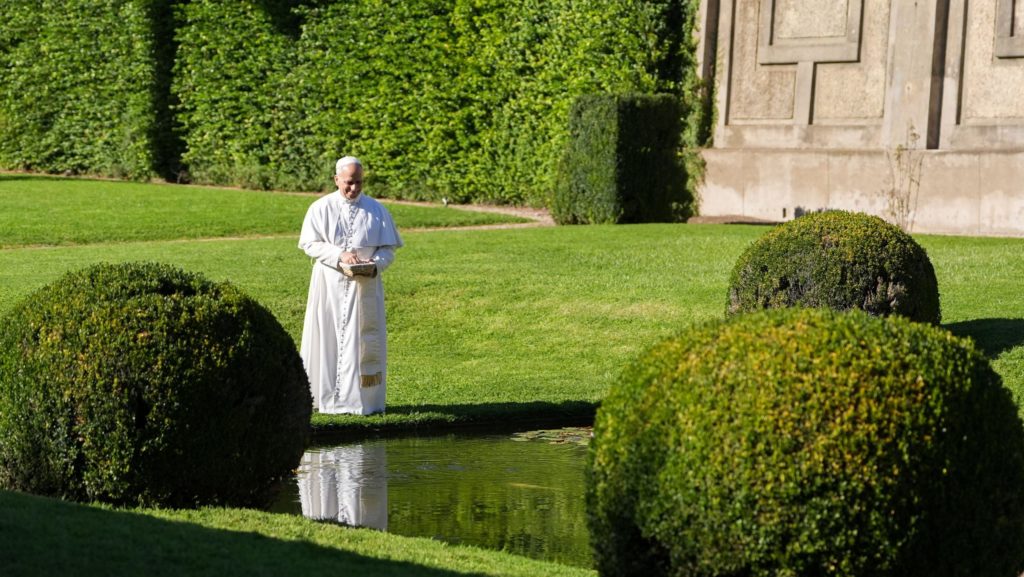
Pope Benedict XVI maintained a close relationship with Castel Gandolfo during his pontificate, even picking it as the place where he would spend his first months as pope emeritus once his resignation took effect (Feb. 28, 2013) to rest and begin a life devoted to prayer. The first meeting between two living popes — Benedict and Pope Francis — took place in its gardens.
But the Argentine pope, who was decidedly not as fond of vacations as his predecessors, opted not to use Castel Gandolfo and instead opened its papal residence to the public as a museum. During his 13-year pontificate, he visited the gardens only once, and did so privately. Instead of taking vacations, which he believed would slow down his work pace, Francis opted to stay at his Vatican residence of Casa Santa Marta year-round.
The pattern has changed with the ascent of Pope Leo XIV to the papacy. In his first months as pope, he didn’t lose much time in resuming the custom of his predecessors, albeit with some changes. Unable to stay at the Apostolic Palace (which had been converted into a museum), he decided to use the Villa Barberini, where the Vatican Secretary of State had once stayed.
Leo also made Castel Gandolfo a part of his weekly schedule, even when it is not summer: every Monday at the end of his workday, he heads to Villa Barberini to sleep overnight and spends most of Tuesday there before returning to the Vatican in the evening.
According to Leo, his days at the palace are spent playing tennis, swimming, praying, and reading — activities he considers essential to his life.
But in his second summer as pontiff, Leo has gone further, spending even more time at Castel Gandolfo. He decided to return to the papal palace that Francis had closed, and spent three weeks in July there with limited meetings and reduced activities. Among the few activities on his calendar was a lunch with 200 homeless people from Rome.
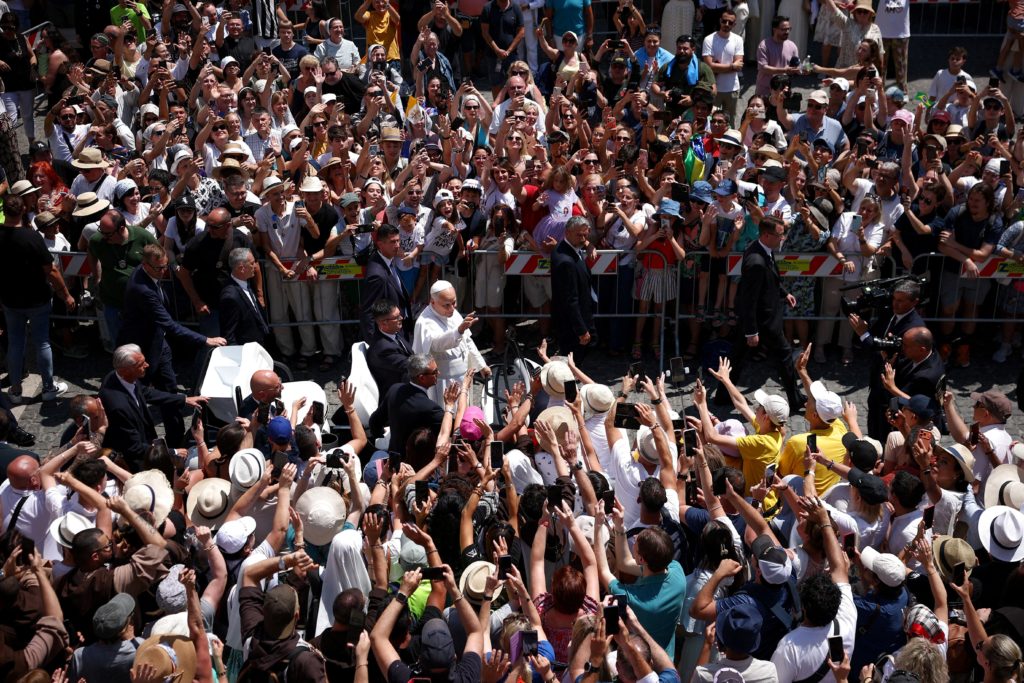
On July 12, Leo made a rare summer appearance to lead the weekly Angelus prayer with pilgrims and visitors July 12 from the gate of Castel Gandolfo’s Apostolic Palace, where he called on Catholics to make room during vacation time to “listen to, read, and meditate on the Word of God, cultivating — along with rest and wholesome recreation — meaningful moments of silence and prayer as well.”
“We will return to our usual activities renewed in body and spirit, ready to proclaim the Good News of the Gospel and with an ever-greater capacity to collaborate in the growth of the Kingdom of God,” the pope said.
Leo officially ended his summer break July 27 by returning to the Vatican to resume his normal schedule for the month of August — which still includes, of course, those Castel Gandolfo Tuesdays.