Supreme Court backs Trump asylum policies, ending protected status for Haitians, Syrians
The policies allow the government to limit the number of asylum claims they process and terminate the temporary protected status of Haitians and Syrians.
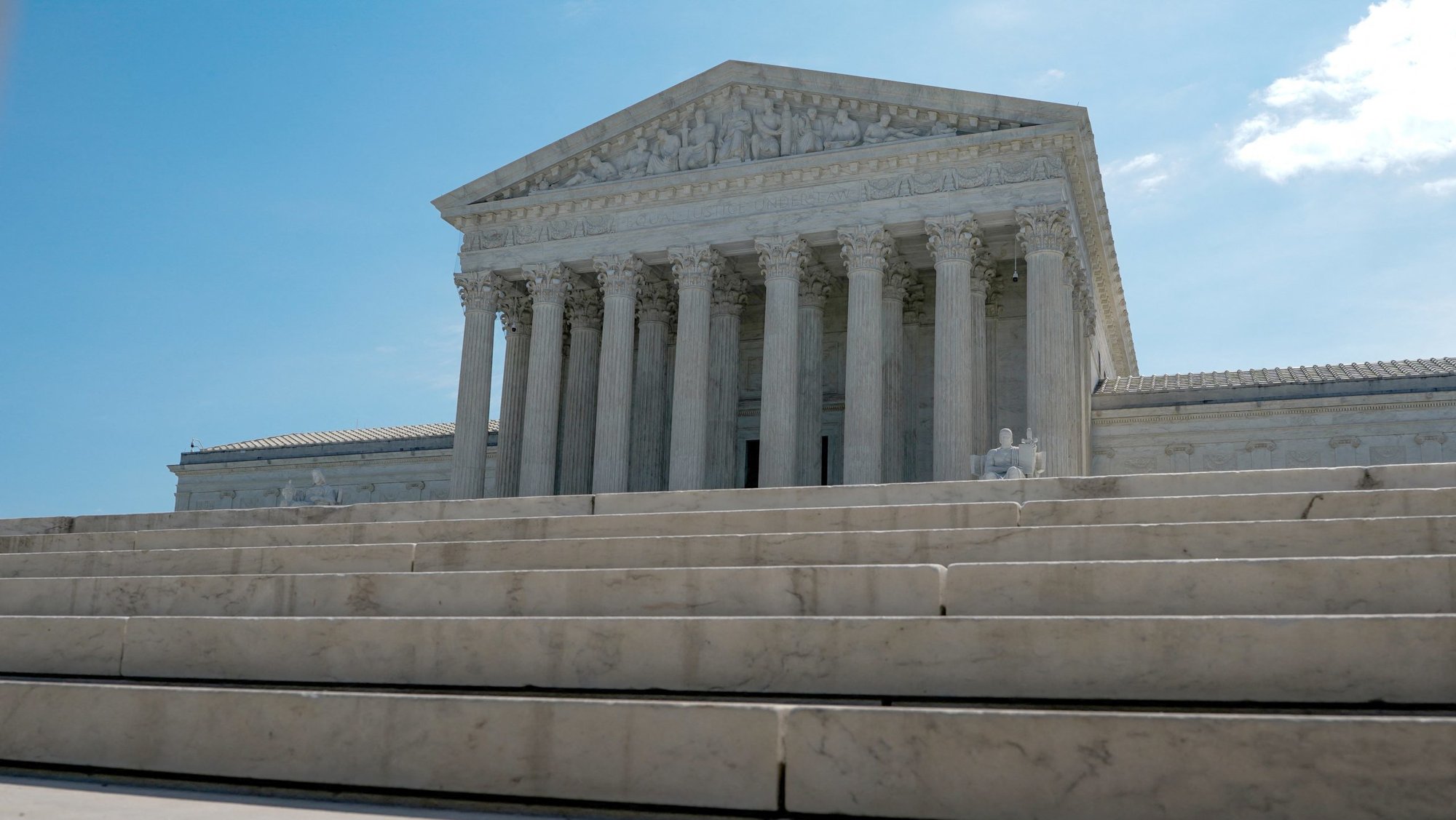
The U.S. Supreme Court on June 25 ruled in favor of President Donald Trump’s restrictive asylum policies that faced strong opposition from the U.S. Conference of Catholic Bishops and some other Catholic advocacy groups.
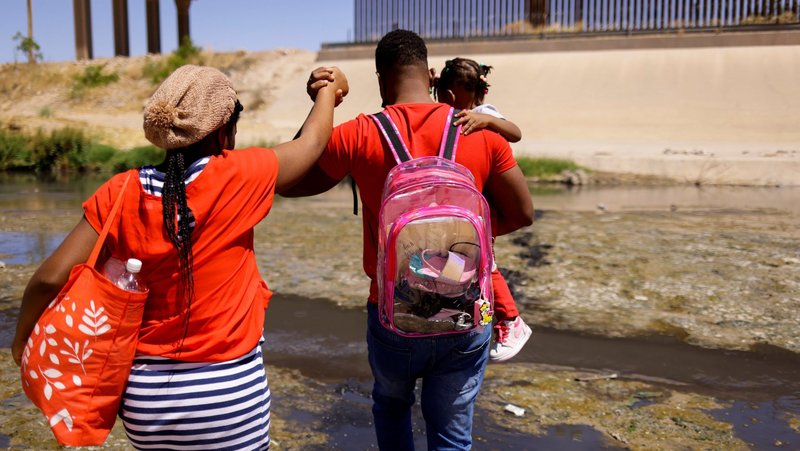
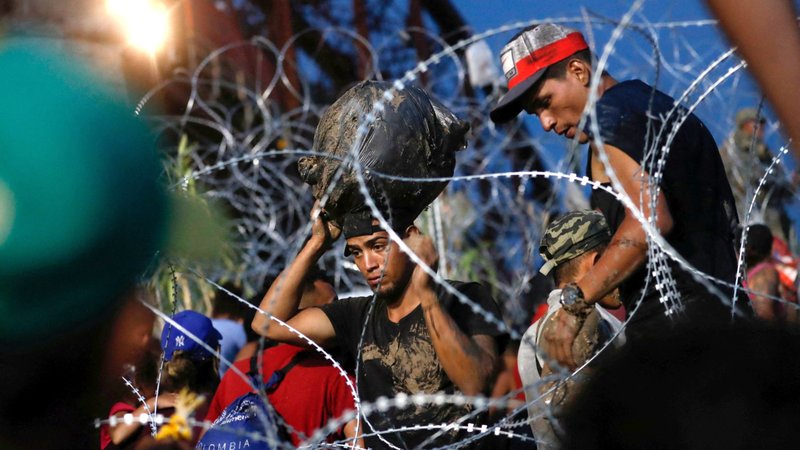
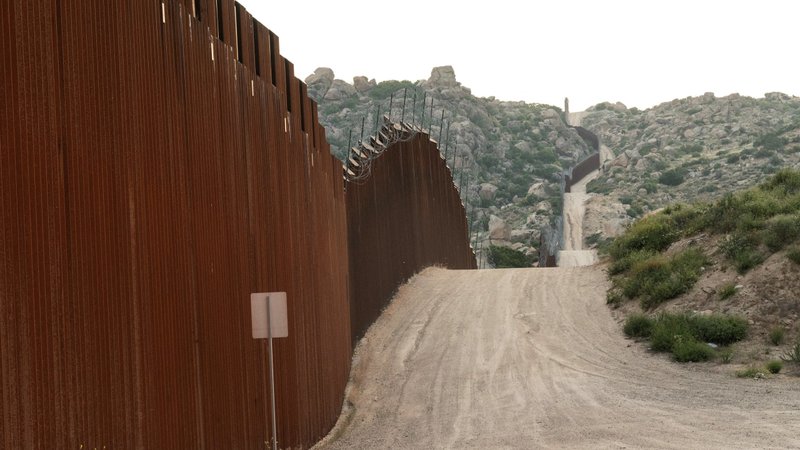
One ruling allows the Department of Homeland Security to end “temporary protected status” for Haitians and Syrians, who can now be deported. The other allows the government to turn away asylum seekers at the southern border by limiting the number of claims they will process each day.
Both cases were decided 6-3. All of the justices who sided with the majority were appointed by Republican presidents and each dissenting justice was appointed by Democratic presidents.
Anna Gallagher, the executive director of Catholic Legal Immigration Network, said in a statement to EWTN News that both decisions are “devastating for our clients, and for those of us who accompany vulnerable immigrants through the legal system.”
“As Catholics, we believe in a God who weeps for our suffering, who is concerned for the fall of the sparrow, for the least of these,” she said.
“And so we, too, weep for our clients whose asylum rights are restricted or who fear return to immediate life-threatening conditions because of this court decision.”
“We walk with them as legal advocates, seeing the injustice of our laws play out firsthand. We know that today is a dark day for many people we have come to know and care for — including legal residents of this country, beloved members of our community.”
Protections for Haitians, Syrians gone
The Supreme Court decision in Mullin v. Doe and Trump v. Miot, which were consolidated into one case, ensures that the government’s decision to terminate temporary protected status for Haitians and Syrians will be in effect. The ruling strips them of legal protections for work authorization and prevention from deportation.
Justice Samuel Alito, who wrote the opinion, said that the law itself generally gives the government broad discretion in determining whether to approve, extend, or terminate protected status for a given country. The ruling found that all non-constitutional claims are not subject to judicial review.
Haitians protected under protected status argued that the policy terminations discriminated against people based on race. In its ruling the Supreme Court stated that both the protected designations and the terminations come from a racially diverse collection of countries.
“They claim that TPS has not been terminated for any predominantly white nation, and they therefore infer that the reason for the termination of the TPS designation for Haiti was having a predominantly nonwhite population,” the opinion stated.
The plaintiffs “definition of a predominantly non-white nation is broad, apparently encompassing major European countries,” the ruling said.
“It may be that only the termination of a TPS designation for a Nordic or Germanic country would be sufficient in their judgment to show that the Secretary’s unbroken record of TPS terminations was race-neutral,” the decision added.
Justice Elena Kagan, in her dissenting opinion, said she believes the court erred in ruling that all non-constitutional claims are barred from judicial review, arguing that the court should be able to determine whether the secretary followed the proper procedures in deciding to terminate protected status.
She also argued that Trump’s comments show that race played a role in the decision to end the Haitian protected status designation.
“The majority briefly replies that [his] remarks are not ‘overtly racial,’ … but it is hard to know what that means,” Kagan wrote. “Haitians are Black. …The references — of filth, disease, and primitiveness — are shot through with racial stereotypes and tropes.”
The U.S. bishops had urged the government to extend protected status, including for Haitians, who are a majority Catholic community.
“We are deeply concerned about the plight of our Haitian brothers and sisters living in the United States,” Bishop Brendan J. Cahill, chair of the bishops’ committee on migration, and Bishop A. Elias Zaidan, chair of the committee on international justice and peace, said in a joint statement in January.
“There is simply no realistic opportunity for the safe and orderly return of people to Haiti at this time,” they said.
Tyler Arnold is a staff reporter for Catholic News Agency, based in EWTN News’ Washington Bureau. He previously worked at The Center Square and has been published in a variety of outlets, including The Associated Press, National Review, The American Conservative, and The Federalist.