Small African nation of Eswatini is facing major crisis, bishop says
The small landlocked nation of Eswatini, formerly known as Swaziland, is facing a crisis and its Council of Churches wants to play a role in fostering dialogue, said the country's one and only bishop. "We want to remain an independent body, capable of listening to everyone in order […]
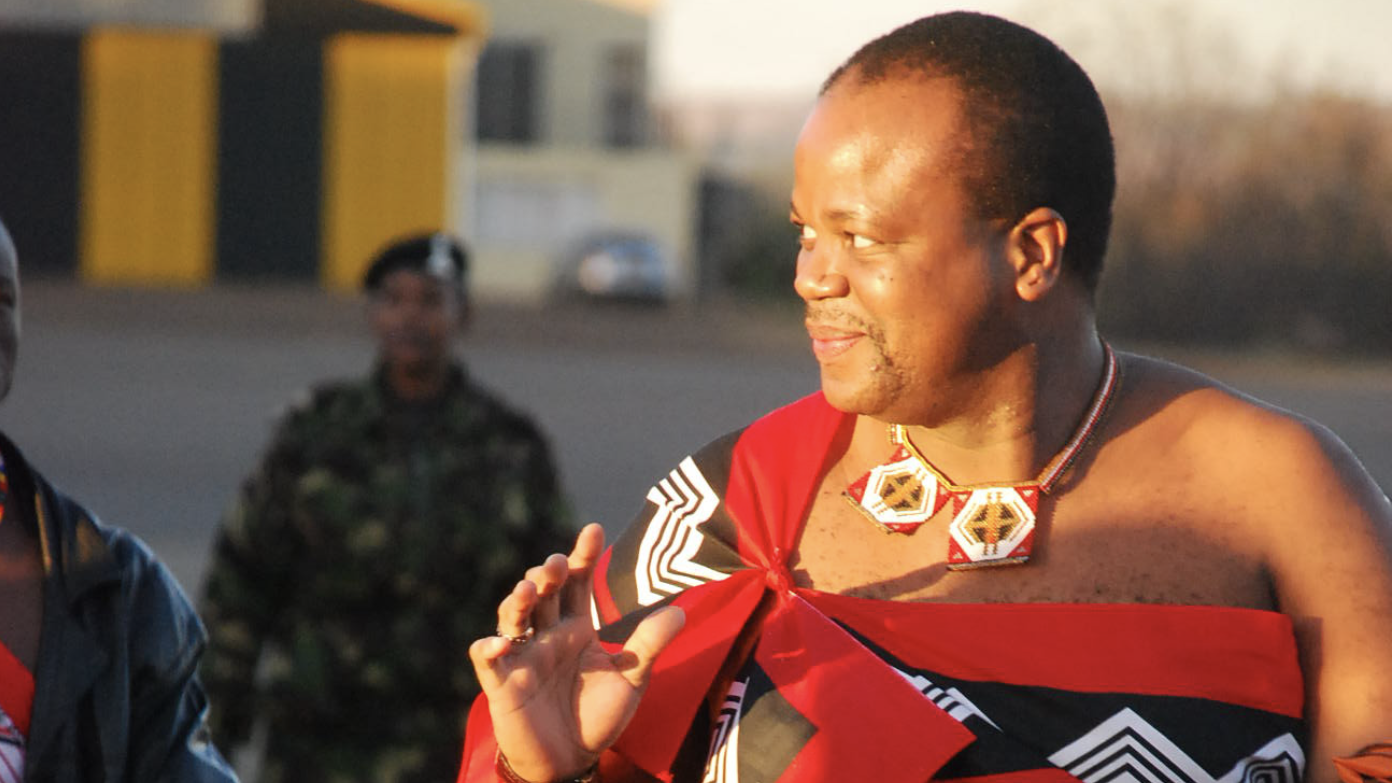
The small landlocked nation of Eswatini, formerly known as Swaziland, is facing a crisis and its Council of Churches wants to play a role in fostering dialogue, said the country's one and only bishop.
"We want to remain an independent body, capable of listening to everyone in order to build bridges," Bishop José Luis Gerardo Ponce de León of Manzini said July 17 in an interview with Fides, the news agency of the Congregation for the Evangelization of Peoples.
The Council of Churches is one of several Christian organizations bringing together the country's different Christian communities. About 90% of the people identify as Christian: Catholics making up 20% of that number; Protestants 30%; and 40% are Zionist -- a blend of Christianity and indigenous ancestral worship.
"Even before this crisis began, the Swaziland Council of Churches made an appointment with the prime minister to present our concerns to him. We feared that violence would soon break out," Bishop Gerardo said.
"In fact, we met him on the day the riots occurred, and we offered to get in touch with all possible stakeholders and to help the government understand what is needed right now. As a council, we want to remain an independent body, capable of listening to everyone in order to build bridges," he said.
Human rights groups said more than 40 people have died, dozens more have been hospitalized with gunshot wounds and many others were detained after the government deployed its army to help police break up protests and demonstrations, which began in June, demanding political reforms.
Pro-democracy activists have accused King Mswati III of repression and would like to see limitations to the king's powers; he has ruled the small kingdom for more than 30 years and the country is Africa's last absolute monarchy.
According to the Associated Press, human rights groups say the royal family, which includes the king's 15 wives, enjoy a lavish lifestyle while nearly two-thirds of the country's 1.1 million people live below the poverty line, according to the World Bank.
A number of problems have led to this crisis, Bishop Gerardo said, and the way forward is through "dialogue."
"Since the beginning of the crisis, the Council of Christian Churches has met with different groups to understand how this dialogue takes place, who should facilitate it and what the different preconditions are," he said.
The protests have been violent with demonstrators barricading roads and setting fires, often at businesses owned or linked to the royal family, AP reported.
Pope Francis prayed for Eswatini after his Angelus address July 4 after hearing news of there being "tensions and violence."
He called on leaders and those who were expressing their hopes for the future of their country to work together for "dialogue, reconciliation and a peaceful settlement to the different stances."
Bishop Gerardo told Fides, "We are grateful to Pope Francis that he prayed for us," adding that "we need everyone's prayers to be able to discern God's will in this time of national crisis."
The 60-year-old bishop, who is an Argentina-born member of the Consolata Missionaries and has led the diocese since 2013, said, "I understand that this is the most serious crisis that one can remember and no one should expect quick answers."
Carol Glatz writes for Catholic News Service.