Leo, the first pope to cast a ballot in a US election, sets example for voters to do their duty
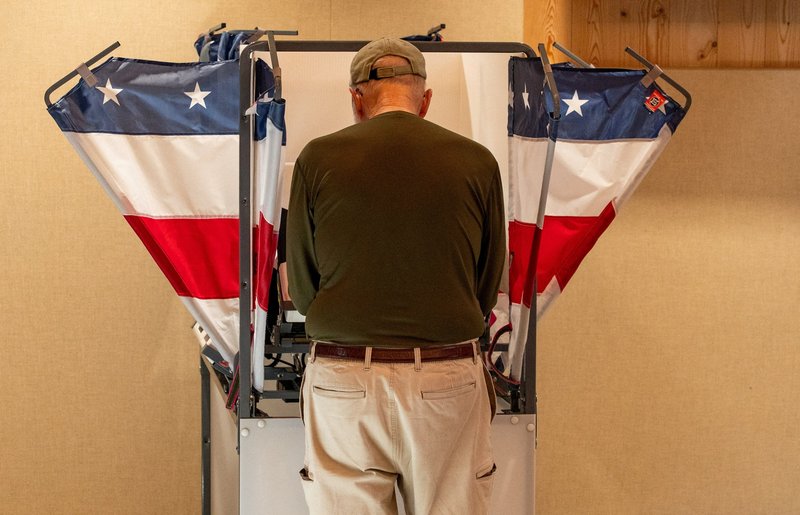
The Holy See Press Office confirmed that the Chicago-born pontiff, who remains a U.S. citizen, submitted a ballot for Illinois’ midterm elections.
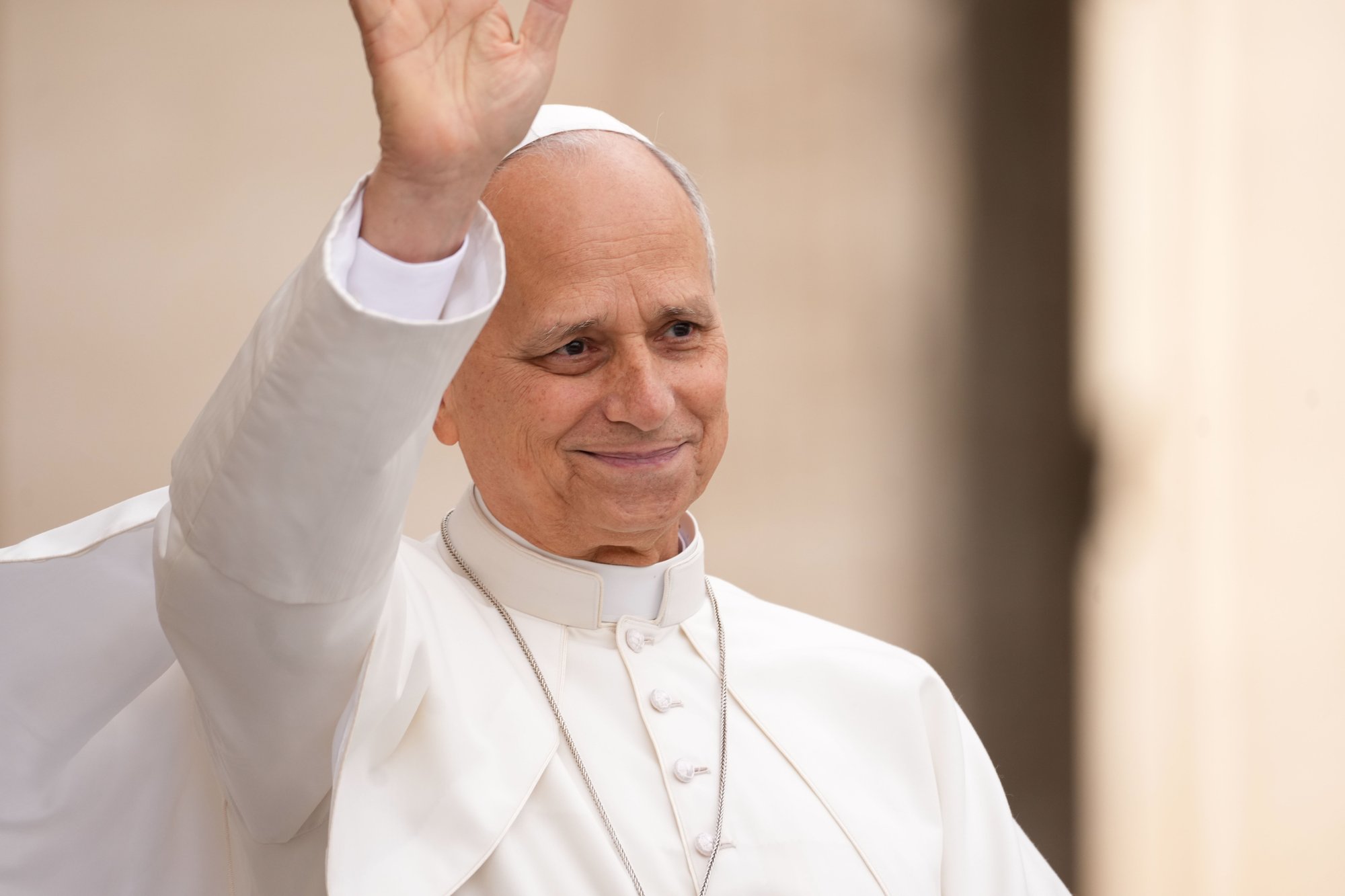
Pope Leo XIV has become the first pope in Catholic Church history to cast a ballot in a U.S. election, the Vatican confirmed on Oct. 30.
Leo, who has mostly lived outside of the U.S. since the 1980s, “has exercised his right to vote as a United States citizen, whenever he was eligible to do so,” the Holy See said in a statement provided to EWTN News.
The Vatican confirmed that “in keeping with this long-standing practice of civic participation, [Leo] has submitted his mail-in ballot in Chicago” ahead of the 2026 U.S. midterm elections.
Leo confirmed through the Vatican’s statement that “during his years of residence in Peru he exercised his right to vote whenever he was eligible to do so.”
“The Holy Father expresses his belief in the right and the duty of citizens to participate in democratic processes,” the statement added.
Leo’s absentee ballot marks the first time a Catholic pope has voted in a U.S. election in Church history. The United States was established in 1776, about 18 centuries after the founding of the Catholic Church.
The Holy Father, the first pope from the United States, is still a U.S. citizen and also holds Peruvian citizenship, though his election to the papacy raised esoteric questions about those national statuses, such as whether or not he would still pay taxes in the U.S. while serving as head of the Catholic Church.
A 2025 bill proposed in the U.S. House of Representatives moved to “protect the citizenship of, and provide tax-exempt status to, any American elected as the supreme pontiff of the Roman Catholic Church,” a clear reference to Leo’s then-new papacy. The bill ultimately stalled in committee.
Unique among world leaders, the pope serves simultaneously as the universal spiritual head of the Catholic Church and as the head of the Holy See, a distinct sovereign entity under international law that serves as the central government of the Catholic Church.
Following the news of the pope’s vote, the U.S. Conference of Catholic Bishops said in a statement that Catholic Americans “are blessed to be able to participate in our nation’s political and public life.”
“With the midterm elections approaching in the United States, the Conference has been encouraging Catholics to exercise their right to vote and to do so in a way that places our faith before our politics,” the bishops said. “In voting, our Holy Father sets the example that encourages each citizen to exercise their civic responsibility.”
Voting history obtained by EWTN News from the Illinois government shows that, prior to being elected pope, Leo voted in multiple U.S. elections while living outside the country, including primary and general elections in 2012, 2016 and 2024.
It is not clear what type of ballot Leo received for the 2026 election. The U.S. government says that overseas citizens whose “intent to return [to the U.S.] is uncertain” are only eligible to receive a “federal-only” ballot, meaning Leo may not have voted in state or local elections on the ballot he cast this year.

Daniel Payne is a senior editor at EWTN News. He previously worked at the College Fix and Just the News. He lives in Virginia with his family.