Pope Leo XIV denounces use of hunger as ‘weapon of war’ in message to UN conference
The pope criticized the actions of armed civilians who “greedily hoard” food, burn land, steal livestock, and block humanitarian aid to those in need.
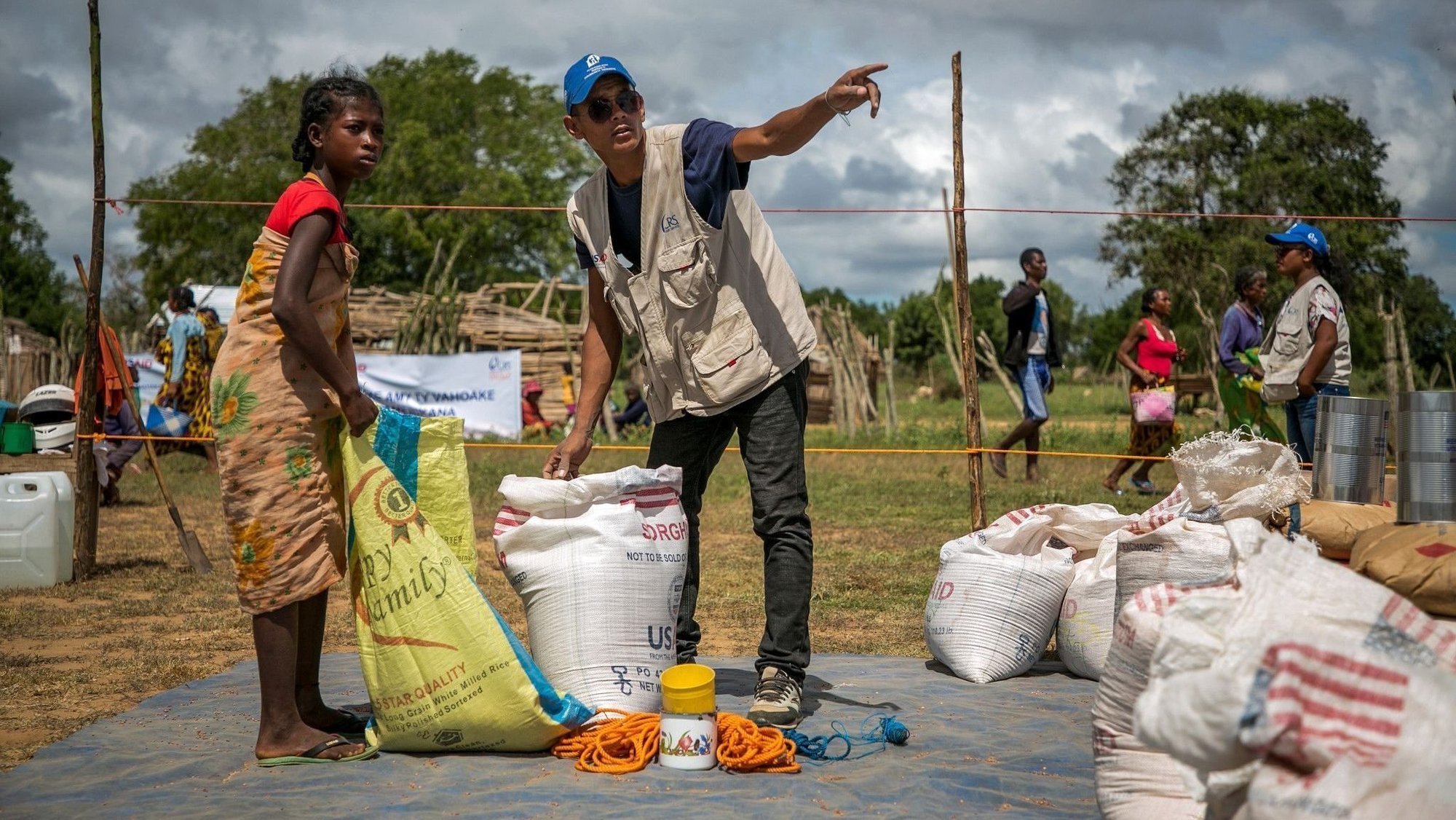
Pope Leo XIV deplored the use of hunger as a “weapon of war” in his message to the United Nations Food and Agriculture Organization (FAO), which is currently holding its 44th conference session in Rome from June 28 to July 4.
The Holy Father said the U.N. is far from reaching its 2030 goal of “zero hunger” in spite of “significant steps” taken by the intergovernmental organization to ensure food security, particularly for the world’s poor.
“We are currently witnessing with despair the iniquitous use of hunger as a weapon of war,” Leo said in his message to FAO. “Starving people to death is a very cheap way of waging war.”
The pope criticized the actions of armed civilians who “greedily hoard” food, burn land, steal livestock, and block humanitarian aid to those suffering and in need.
“Farmers are unable to sell their produce in environments threatened by violence, and inflation soars,” he said. “This leads to huge numbers of people succumbing to the scourge of starvation and perishing.”
“While civilians languish in misery, political leaders grow fat on the profits of the conflict,” he remarked.
Highlighting the complex relationship between war, poverty, and hunger, the pope said the Holy See supports all initiatives aimed at bringing international leaders together to collaborate for “the common good of the family of nations.”
“Without peace and stability, it will not be possible to guarantee resilient agricultural and food systems, nor to ensure a healthy, accessible, and sustainable food supply for all,” he added.
Continuing his calls for peace in war-torn areas since his May election as the leader of the world’s 1.4 billion Catholics, Leo extended his call to the leadership and staff of FAO to become peacemakers in times of “huge polarization in international relations.”
“To ensure peace and development, understood as the improvement of the living conditions of populations suffering from hunger, war, and poverty, concrete actions are needed, rooted in serious and far-sighted approaches,” he continued.
“I pray to almighty God that your work may bear fruit and be of benefit to the underprivileged and to humanity as a whole,” he said at the conclusion of his message.
In an Angelus address, Pope Leo highlighted the plight of rural Christian communities in Nigeria enduring violence and hunger.
Approximately 200 displaced people were massacred at a Catholic mission there in June.
Bishop Mark Nzukwein of the Diocese of Wukari, Nigeria, said more than 300,000 people are currently displaced in the northern part of the country, many of whom have lost their farms and livelihoods because of the violent attacks.
“I’ve never had problems with food ever until recently,” Nzukwein told CNA in a June 27 interview.
“[Men] will invade farms and kill … and make the place insecure,” he said. “This is the source of the food insecurity we’re experiencing in Nigeria.”
Catholic News Agency was founded in 2004, in response to Pope St. John Paul II’s call for a “New Evangelization." It is an apostolate of EWTN News.