Pope's communications day theme focuses on using media responsibly
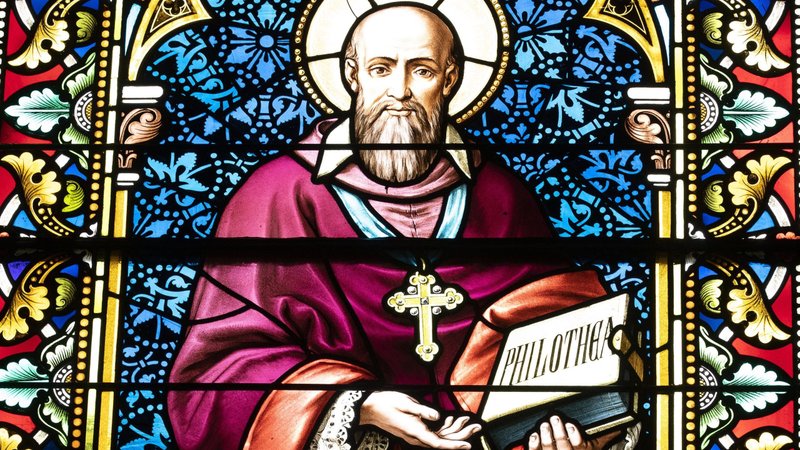
A papal message for the World Communications Day usually is released Jan. 24, the feast of St. Francis de Sales, patron saint of journalists.
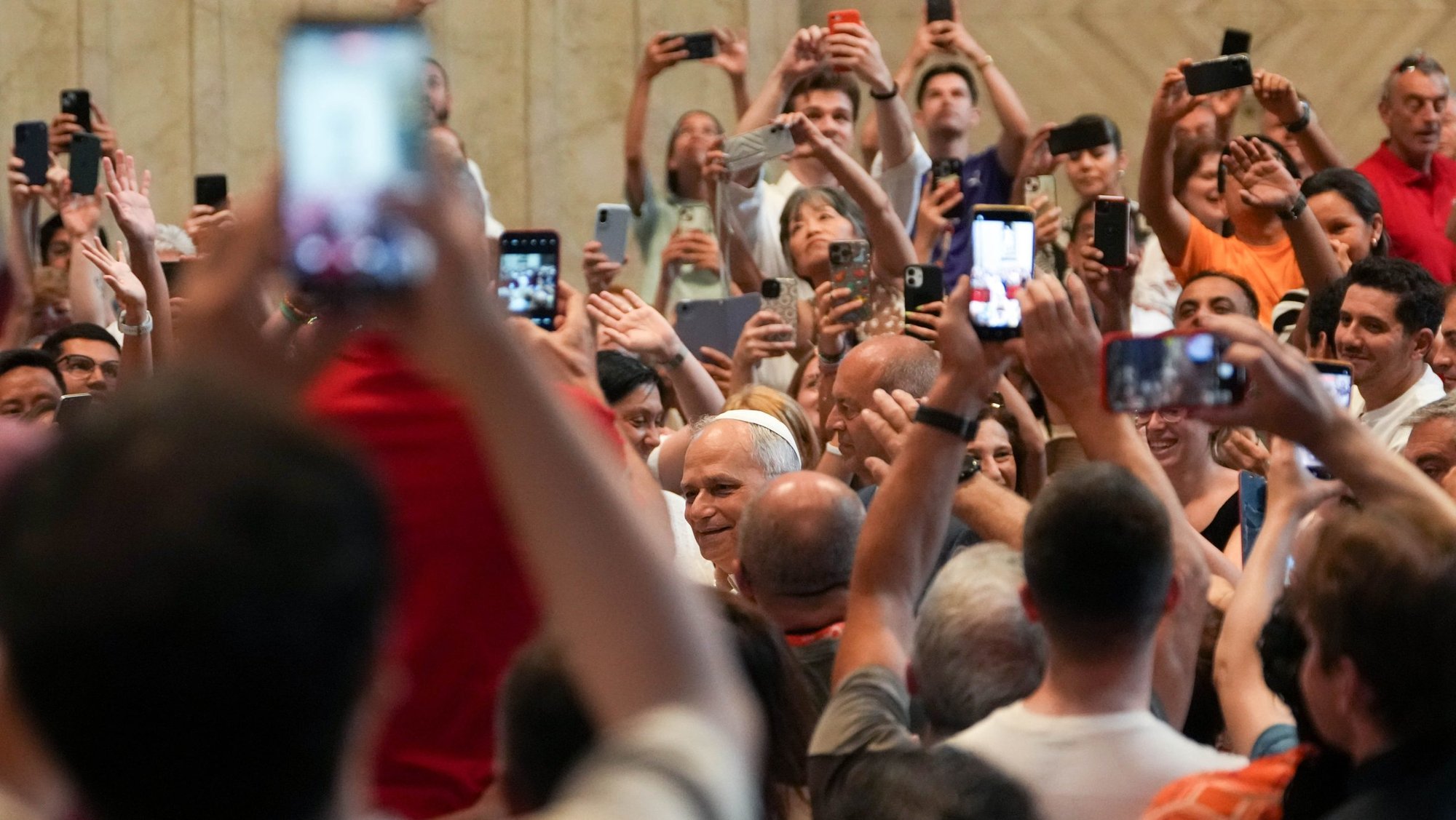
Pope Leo XIV, the object of dozens of "deepfake" videos, has chosen "Preserving human voices and faces" as the theme for the Catholic Church's celebration of World Communications Day in 2026.
The Dicastery for Communication announced the theme Sept. 29.
Just two weeks after his election in May, the dicastery warned people about "deepfake" -- AI-generated -- videos of the pope as well as manipulated or wholly AI-generated photos and quotes.
The pope's chosen theme for World Communications Day, which the Vatican and most dioceses will celebrate May 17, is meant to emphasize the importance of using technology responsibly.
A papal message for the World Communications Day usually is released Jan. 24, the feast of St. Francis de Sales, patron saint of journalists.
Explaining the pope's choice of a theme, the dicastery noted that technology increasingly influences people's interactions with media, "from algorithms curating news feeds to AI authoring entire texts and conversations."
Technological tools, it said, can help people be more efficient and reach more people, but "they cannot replace the uniquely human capacities for empathy, ethics and moral responsibility."
"Public communication requires human judgment, not just data patterns," the dicastery said.
Especially with the rapid development of artificial intelligence, it said, "the challenge is to ensure that humanity remains the guiding agent."
"The future of communication must be one where machines serve as tools that connect and facilitate human lives, rather than erode the human voice," it added.
"AI can generate engaging but misleading, manipulative and harmful information, replicate biases and stereotypes from its training data, and amplify disinformation through simulation of human voices and faces," the dicastery said.
The Vatican office called on Catholics to work diligently to develop "Media and Artificial Intelligence Literacy" programs "so that people -- especially youth -- acquire the capacity of critical thinking and grow in the freedom of the spirit."
Cindy Wooden writes for Catholic News Service.