Study: 39 of 49 faith groups report immigration enforcement at courts, schools
More than 145,000 U.S.-citizen children have had a parent booked into immigration detention since January 2025, according to CLINIC.

Immigration enforcement activity is taking place at courthouses, schools, and near churches, with 39 of 49 faith-based organizations surveyed reporting such incidents, according to researchers examining enforcement’s effects on ministries and immigrant families.
Ashley Feasley of The Catholic University of America’s Immigration Law and Policy Initiative outlined her preliminary findings in a report about how expanded U.S. immigration enforcement is affecting faith‑based service providers and immigrant communities.
The report is a partnership among CUA’s law school, the Immigration Law and Policy Initiative, and the National Catholic School of Social Services.
Feasley spoke during a Sept. 23 National Migration Week webinar hosted by the U.S. Conference of Catholic Bishops with Bishop Brendan Cahill of Joliet, Illinois; Jenny Cachaya of the Catholic Legal Immigration Network; and Haydee Diaz of Catholic Relief Services Honduras.
Cachaya said more than 145,000 U.S.-citizen children have had a parent booked into immigration detention since January 2025.
That estimate predates the most recent increase in immigration enforcement activity, Feasley said. According to U.S. Census data, 18.4 million children in the United States live with at least one immigrant parent, highlighting the broad reach of immigration policies on families and communities.
“What we saw was children who were triply hit by the loss of a family member, the loss of financial security, and the precarity and the loss of their daily routine,” Feasley said.
Researchers surveyed 49 Catholic, Jewish, and Lutheran organizations across the United States. Participants reported on immigration enforcement, including apprehensions and enforcement activities that had occurred since January 2025. Eighteen organizations reported enforcement activity at or near schools, child-care facilities, or related services.
The study showed expanded immigration enforcement is producing what it characterized as widespread fear and behavioral changes in immigrant communities, with children and mixed-status families experiencing the most severe effects.
- Eighty-two percent of surveyed organizations reported that enforcement actions, fear of enforcement, or perceptions of enforcement caused clients, community members, or even staff to change their daily activities or help-seeking behavior.
- Ninety-eight percent of respondents said their clients expressed fear of deportation, detention, or family separation.
- Twenty-eight organizations (58%) reported serving clients or immediate family members who had been apprehended by immigration authorities since January 2025.
Researchers said they plan to issue a formal report with recommendations for policymakers and service organizations. They also said they would identify effective practices that help communities respond to enforcement pressures.
What Catholics can do
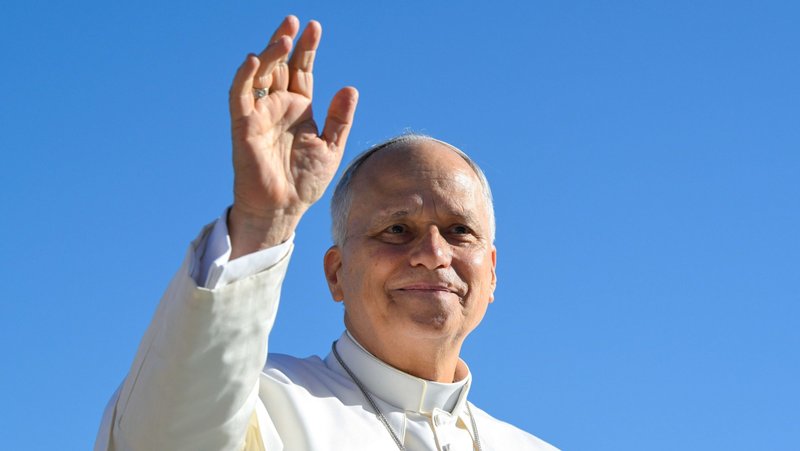
Cahill, chair of the U.S. bishops’ Committee on Migration, said Catholics should continue to collaborate, share messages, and “change culture. And it takes time, but we’re changing culture, seeing the humanity of the immigrant, responding to a culture that dehumanized other people.”
Helping can be as simple as accompanying and supporting neighbors in need, as parishioners are often the right messenger to each other, Cachaya said.
Cachaya said: “Donʼt underestimate the importance of accompaniment. You donʼt have to be an immigration lawyer. You donʼt have to be a social worker. You just have to be willing to step in and support your neighbors.”