Saint of the day: Catherine Labouré
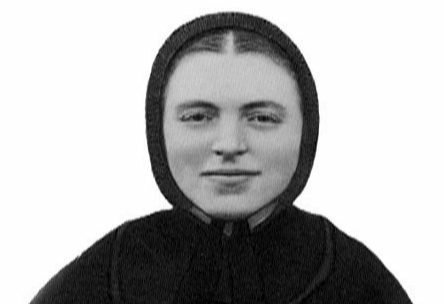
St. Catherine Labouré was born on May 2, 1806, in France, the ninth of 11 children in her family. Her mother died when she was 8, and Catherine took over the household duties. She was a quiet, practical child. As a young adult, Catherine joined the Daughters of […]
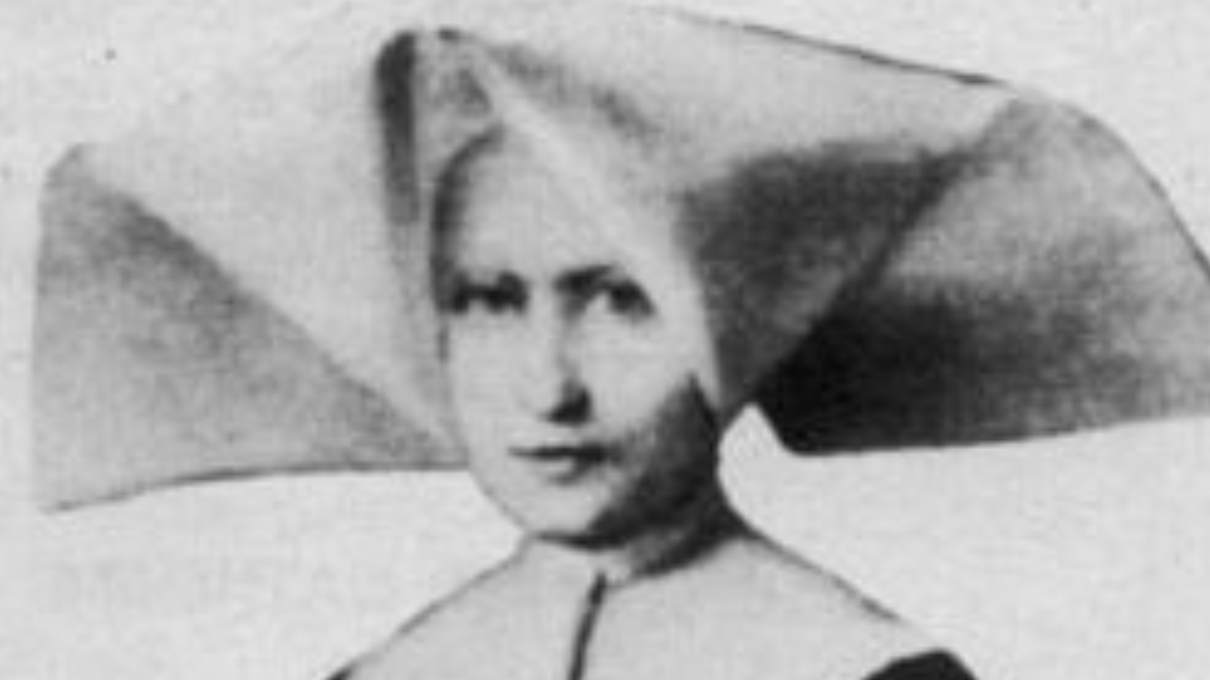
St. Catherine Labouré was born on May 2, 1806, in France, the ninth of 11 children in her family. Her mother died when she was 8, and Catherine took over the household duties. She was a quiet, practical child.
As a young adult, Catherine joined the Daughters of Charity, and when she was 24, and still a novice, she received a vision from the Virgin Mary. Mary appeared a second time to Catherine, and asked that she have a medal made that portrayed Mary as she appeared — inside an oval frame, standing on a globe, with many rings, set with gems, that beamed light across the globe. The frame around Mary contained the words, “O Mary, conceived without sin, pray for us who have recourse to thee.” These medals, now known as Miraculous Medals, would give great grace to those who wore them.
Catherine spent the next two years trying to convince her spiritual director of Mary’s message. When he finally listened, they had 2,000 medals made, which were dispersed so quickly and so effectively as to be considered miraculous.
Once the medals were made, Catherine’s visions stopped, and she spent the rest of her life in humble service as a portress, and working with the sick in Paris. She did not tell her superior that she had received the visions about the Miraculous Medals until 45 years later.
St. Catherine died on December 31, 1876, in Paris. She was canonized in 1947 by Pope Pius XII, and her incorrupt body is still in the crypt of her convent.