Italian mother who died for baby takes next step to sainthood
After being diagnosed with tongue cancer, Chiara Corbella Petrillo delayed chemotherapy in order to save the life of her unborn child. She died in 2012 at the age of 28.
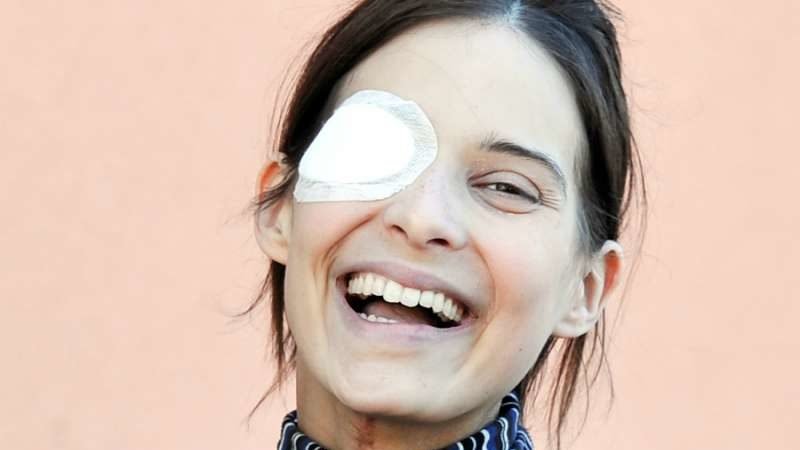
ROME – This week the diocesan phase of the beatification cause for Italian mother Chiara Corbella Petrillo, who refused cancer treatment to save her unborn child, will conclude, marking an important step in her path to being declared a saint.
The closing session for the diocesan phase of Corbella’s cause was scheduled to take place Friday, June 21, at the Roman Basilica of Saint John Lateran, where the headquarters of the Diocese of Rome is located, and during which the results of a lengthy inquiry into her life, virtue and reputation for holiness will be presented.
Born in 1984, Corbella met her future husband, Enrico, during a trip to the Marian shrine at Medjugorje in 2002. They began dating and were married six years later, in September 2008 at Saint Peter church in Assisi, home to Saint Francis of Assisi and the soon-to-be canonized teen saint, Carlo Acutis.
Shortly after their wedding, Corbella found out she was pregnant, but the child was diagnosed with anencephaly, a serious birth defect in which the baby is born without parts of the brain or skull.
Despite the fatal diagnosis, the couple decided to carry the pregnancy to term and their daughter, whom they named Maria Grazia Letizia, died half an hour after birth.
A few months later, Corbella discovered that she was pregnant again, this time with a boy whom they named Davide Giovanni. However, Davide was also diagnosed with serious malformations, and was missing his lower limbs.
The couple again decided to carry the pregnancy to term, and Davide died shortly after his birth in 2010.
After undergoing genetic testing that ultimately ruled out any connection between the pathologies of her previous two pregnancies, Corbella became pregnant again with her third child, another boy, whom the couple named Francesco.
However, during the fifth month of her pregnancy, Corbella was diagnosed with a carcinoma of the tongue, and underwent an initial surgery in March 2011.
A second surgery was required, as well as radio and chemotherapy, to treat the disease, however, Corbella chose to delay her treatment until after the birth of her son, who was born healthy in May 2011.
Just a few days later, Corbella underwent the second surgery and began her course of chemo and radiotherapy, however, by then the cancer had spread, and Corbella died June 13, 2012, at just 28 years old.
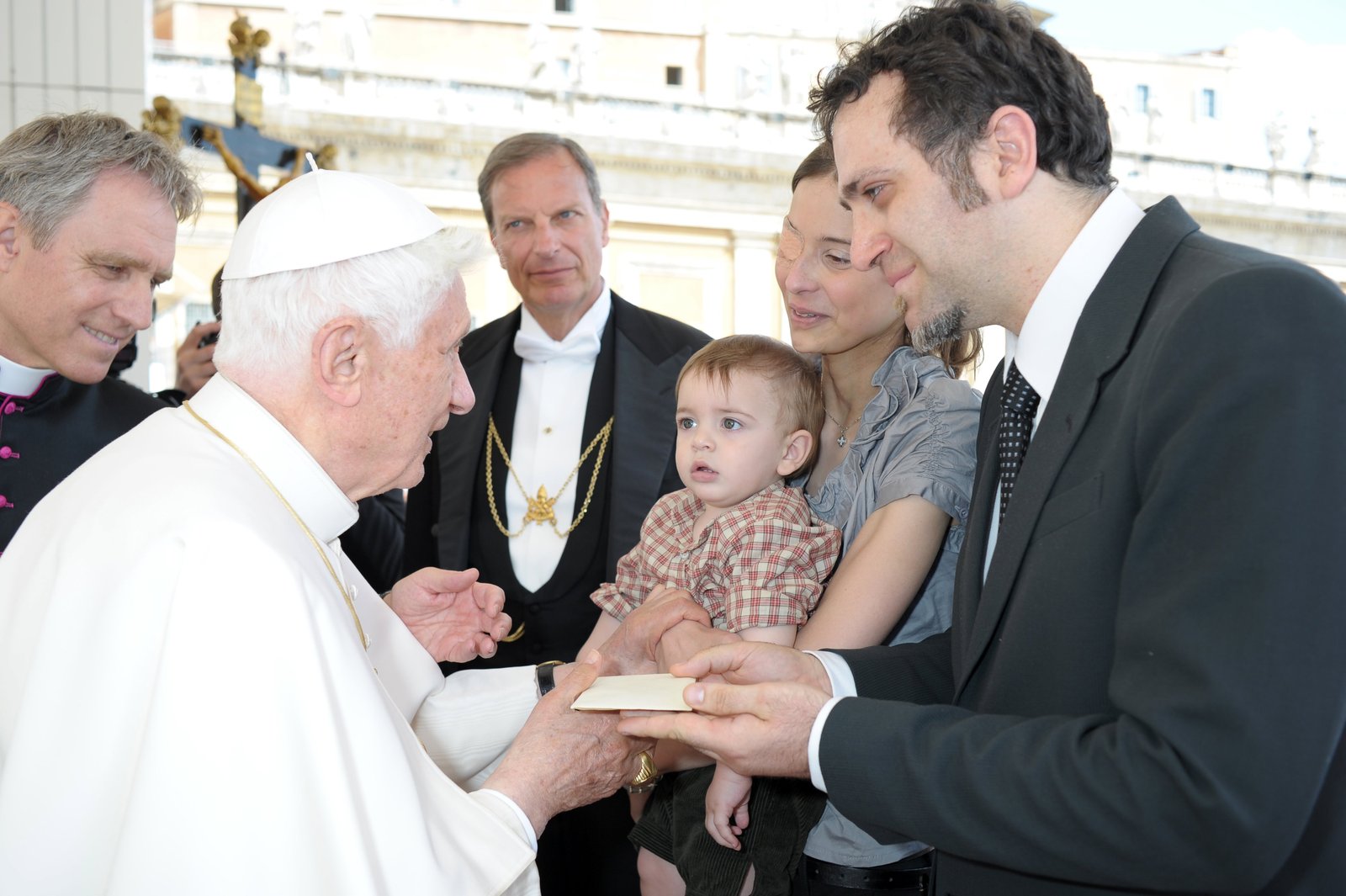
She is buried in the Verano cemetery in Rome, in the same tomb where her two children, Maria Grazia Letizia and Davide Giovanni, are buried.
After Corbella’s passing, news of her death and her choice to postpone treatment to save her unborn child spread, and she quickly gained a reputation for holiness.
In 2018, the Diocese of Rome published an edict announcing the opening of her cause for beatification and canonization. She was declared a Servant of God, the first step in the sainthood process, and the diocesan inquiry into her life and virtue began.
On Friday, the closing of the diocesan stage will be presided over by Bishop Baldo Reina, viceregent of the Diocese of Rome, and members of the diocesan tribunal who conducted the inquiry, episcopal delegate Monsignor Giuseppe D’Alonzo; promoter of justice Father Giorgio Ciucci, and actuary notary Marcello Terramani.
In the edict opening Corbella’s sainthood cause, the Diocese of Rome said her sacrificial choice for her child “remains as a beacon of the light of hope, a testimony of faith in God, the author of life, and an example of love greater than fear and death.”
This love, the diocese said, allowed Corbella to tell her friends and family that she considered it “a privilege to know in advance to know that I would die, because I could say ‘I love you’ to everyone.”
According to the edict, Corbella also told her mother, “If the Lord has chosen this for me, it means that it is better this way for me and for those around me. Therefore, I am happy.”
Corbella is one of a growing number of women in Italy, whose staggeringly low birthrate is an increasing concern of both Pope Francis and leading political figures, who have gained notoriety for refusing treatment for life-threatening illnesses in order to save their unborn children.
In 1962, Italian wife and mother Saint Gianna Beretta Molla died after refusing treatment for a tumor in her uterus that was diagnosed while she was pregnant with her fourth child until after the baby was born. She was canonized by Pope John Paul II in 2004.
Earlier this year, a young Italian woman named Azzurra Carnelos died shortly before her 34th birthday after she refused treatment for a recurrence of breast cancer that was diagnosed while she was five months pregnant with her first child.
The child, a boy whom Carnelos and her husband named Antonio, was born in the fall of 2023. Carnelos died several months later, on April 13 of this year, in her home in Oderzo.
These stories have had a particular resonance in Italy, whose low birth rate Pope Francis has often referred to as a “demographic winter,” calling on Italians to be open to life and to have more children.

Elise Ann Allen is a Denver native who currently works as a Senior Correspondent for Crux in Rome, covering the Vatican and the global Church. Before joining Crux, Elise worked with Catholic News Agency, first as a multi-media and content management assistant in Denver, and then as Senior Rome Correspondent covering the Vatican. She graduated from the University of Northern Colorado in 2010 and holds degrees in philosophy and communications.