Saint of the day: Thomas Becket
St. Thomas Becket was born in London, England, around the year 1117. His parents were pious, and from his childhood, Thomas received instruction in the faith. He was taught at a monastery, and then went to school in London. After his parents died, Thomas decided to study canon […]
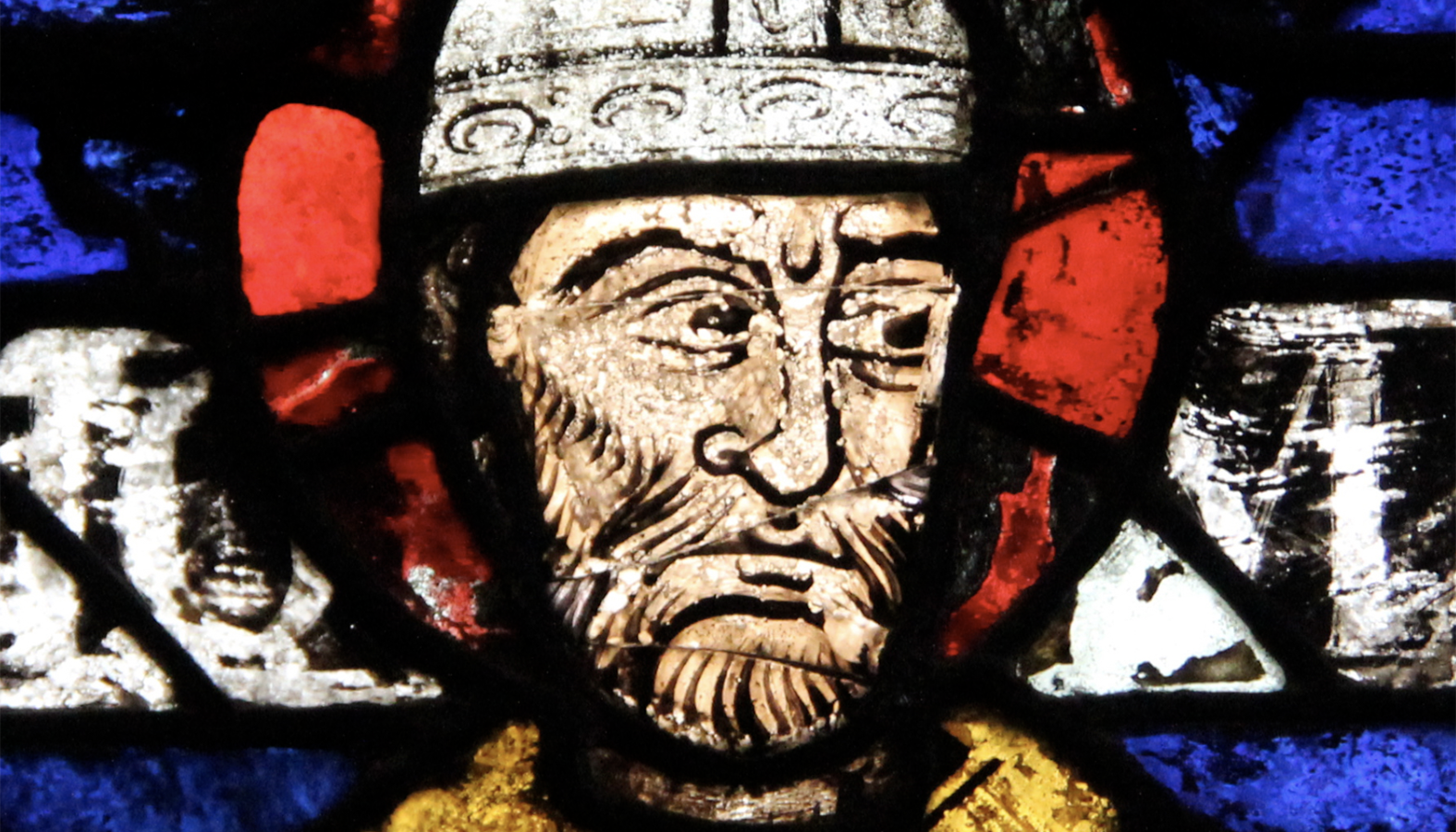
St. Thomas Becket was born in London, England, around the year 1117. His parents were pious, and from his childhood, Thomas received instruction in the faith. He was taught at a monastery, and then went to school in London.
After his parents died, Thomas decided to study canon law, and became a secretary to one of the courts of London. He felt called to the priesthood, and began to work towards ordination. His holy, honest working attitude came to the attention of his friend King Henry II, and in 1157, Thomas was asked to serve as Lord Chancellor to the king.
After the bishop of Canterbury died, Henry sought to elect Thomas to the position. In 1162, a synod accepted this election. Although Thomas warned the king that it might cause friction, he took on the position.
As bishop, Thomas practiced many penances, and worked hard to serve the people while developing his own personal holiness. He was generous to the poor in his time and his money.
However, Henry began to exercise his hand in Church affairs, causing many disagreements between the two. At one point, Thomas retired for a while to France. When he returned to England, he and Henry entered into another dispute. Henry’s knights saw Thomas’ actions as treason, and killed him in his own church on December 29, 1170.