We know this much, and no more: after his resurrection, Jesus spent 40 days with his apostles before his Ascension (Acts 1:3). Forty days of presence. Forty days of teaching. Forty days of consolation, correction, and preparation. And yet — of all that passed between them — we are told next to nothing.
St. Luke gives us only a summary: Jesus spoke of “the kingdom of God.” What did that look like, day by day? What questions did the apostles ask? What did the Lord reveal now that the cross and resurrection had been accomplished? Scripture leaves us with a holy restraint. The silence is not accidental. It invites us to recognize that some things are not first received in words on a page, but in holy signs and in a life of discipleship.
The early Church understood this. For generations, the weeks between Easter and Pentecost were kept as a privileged time of mystagogy. Newly baptized Christians — those who had passed through the waters at Easter Vigil — were not dismissed as “graduates.” They were led more deeply in.
Mystagogy means “leading into the mysteries.” It assumes that something decisive has already happened — that the believer has encountered Christ, has been initiated into his death and resurrection, has received the Eucharist. Only then can the deeper explanation begin. Only then can the signs be read from within.
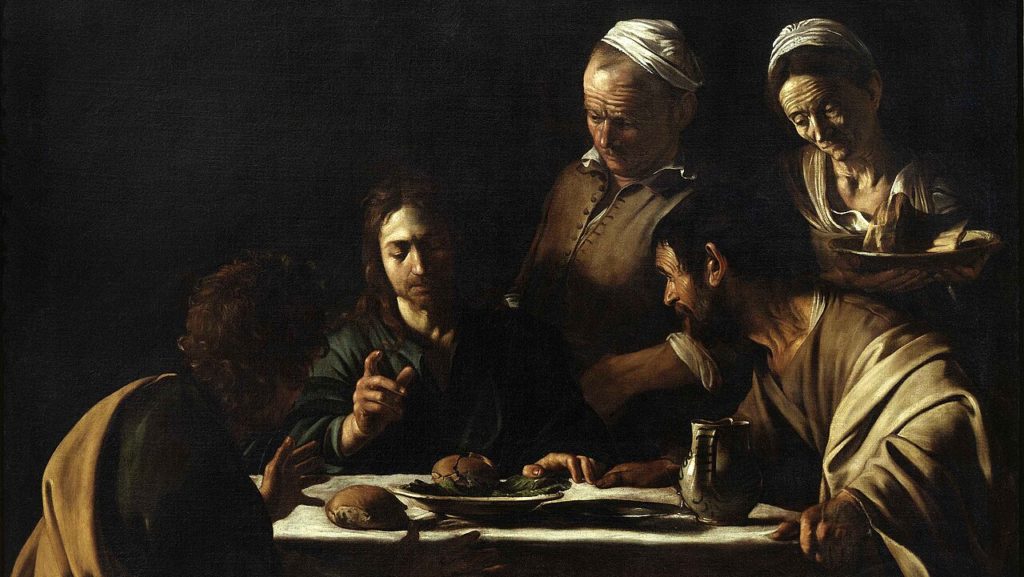
Think of the disciples on the road to Emmaus (Luke 24). They walk with Jesus and do not recognize him. He opens the Scriptures to them, and their hearts burn. Yet they know him fully only in the breaking of the bread. Understanding follows encounter. Illumination follows communion. This is the logic of mystagogy.
In the fourth century, great bishops like Cyril of Jerusalem preached to the newly baptized during this season, explaining the sacraments they had just received — baptism, chrismation, Eucharist. He did not reveal these mysteries beforehand. They were too great to be reduced to explanation alone. They had to be lived, tasted, entered. Only then could words begin to do their work.
We live in a time that prefers explanation before experience. We want everything laid out clearly in advance. But the risen Jesus did not publish a manual in those 40 days. He formed his apostles by his presence. He taught them from within the mystery they had just witnessed.
The Church, in her wisdom, follows that same pattern still. Easter is not only a feast we celebrate; it is a reality we enter. And the weeks that follow are not an afterthought. They are an invitation.
So let’s take up that invitation. Let’s use these days between Easter and Pentecost as they were meant to be used: not merely to recall what we already know, but to press deeper into what we have received.
The mysteries are not exhausted. They are inexhaustible. And the Lord, who once spent 40 days forming his apostles, still meets his disciples in the quiet school of mystagogy — leading us, patiently, ever deeper into himself.