Recently, a controversial podcaster (are there any other kind?) who has opinions on everything referenced the Bible to make a political statement. The podcaster’s name and the political statement with his “take” on an Old Testament book are unimportant. What is important, though, is understanding how anyone with a digital audience can sound like an expert when they are not.
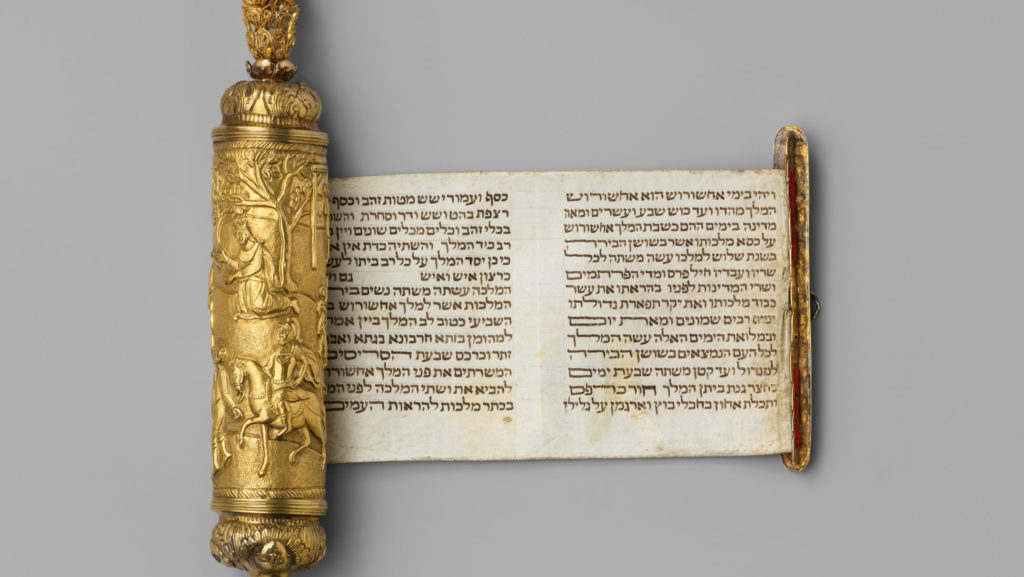
The Scripture referenced came from the Book of Esther. The interpretation this person had of that book did not sound right to me, even if I am not particularly well-versed in the Book of Esther myself. Still, I had seen the movie — well, parts of the movie — made about this remarkable Jewish woman who found her way into the palace of the Persian king, and I knew it was through her actions that many people were saved from devastation.
The podcaster thought the story was the other way around, and it was a God-sanctioned “genocide” in the other direction. Genocide is in quotes because that is exactly how this person phrased his interpretation.
For centuries, the problem of people or groups coming to their own conclusions about what the Bible does and does not mean has brought the world a lot of heat, but little light. It is a problem that stays with us today, and has resulted in limitless diversions of scriptural interpretations and an ever-rising Tower of Babel of confusion and error.
I realized that before I actually read the Book of Esther, I should not rely solely on my own reading and understanding. Reading the Bible expecting divine guidance toward the true meaning of the text is dangerous ground. I went online to the United States Conference of Catholic Bishops (USCCB) website. This is not a commercial for the USCCB, but I have used the site multiple times to get answers, whether correct interpretations of Scripture or teachings of the Church.
The website’s “Understanding the Bible” page provides a Top 10 list of things to keep in mind before diving in. If the podcaster had read No. 4, he might not have been so sure of himself when it came to the Book of Esther. The Bible is a collection of 73 books written over many centuries. The books include royal history, prophecy, poetry, challenging letters to struggling new faith communities, and believers’ accounts of the preaching and passion of Jesus. Knowing the genre of the book you are reading will help you understand the literary tools the author is using and the meaning the author is trying to convey.
The first thing I learned about the Book of Esther is that it is short by biblical standards. It is also, according to the USCCB, a literary story belonging to the “biblical novella” category. It does have a folktale feel to it, but at the same time conveys deep spiritual truths about how God keeps his promises to the people of Israel even when they are captives in a foreign land.
I think the podcaster in question was interested in the “Persian” perspective, given the present state of that part of the world, rather than the time hundreds of years before the birth of Christ. He does not see this beautiful and meaningful story as a poetic way to convey universal divine truths. He takes a small sample size out of context and uses it as a cudgel to batter home a preconceived political viewpoint, punctuated by an unsettling, almost maniacal laugh.
The Bible, removed from the authoritative structure of a Church with tradition and magisterial safety rails, is always at risk of being exploited for one cause or another. The cherry-picking of excerpts that fit a particular political bent is challenging baseball as the American pastime these days.
How blessed we are that God does not work as we do. The human version of hijacking the Bible is not only exhausting but serves no purpose. But ultimately, I am grateful to have come across those few seconds of the podcaster’s self-confident yet dubious biblical commentary. It encouraged me to read the Book of Esther myself: not alone, where I might bring my own biases and prejudices to the process, but rather to rely on the tradition of the Catholic Church to guide me, instruct me, and in the end, provide a sense of peace and calm that would put most podcasters out of business.