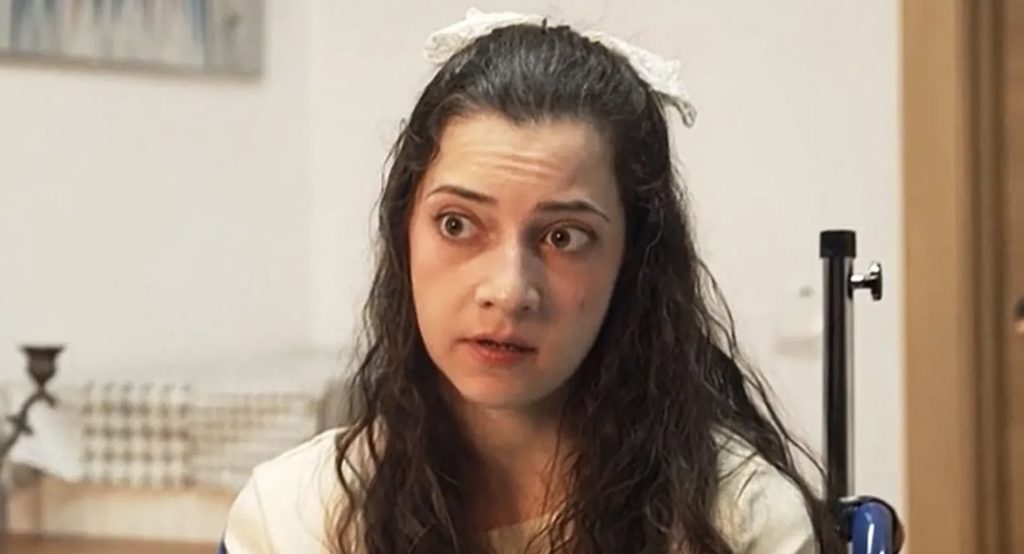
For a few weeks earlier this year, the world was riveted by the story of 25-year-old Noelia Castillo Ramos and her death at the hands of the Spanish government.
No, she was not executed for being a heinous murderer. In fact, there is no death penalty in Spain (there hasn’t been since 1975, when the country transitioned from the dictatorship of Francisco Franco to democracy). Noelia was a young, wheelchair-bound woman with a troubled past, and suffering from depression.
For these disabilities she was killed by lethal injection, although her father fought valiantly to save her, and disability rights advocates and religious leaders — including Catholic bishops — pleaded for mercy on her behalf. If you can bear it, find and watch the poignant TV interview she gave just before her death. I watched it, and the despair in her eyes is something I will not soon forget.
Noelia is, very sadly, just another victim of a terrible global trend. Since the early 2000s, assisted suicide and euthanasia have expanded significantly both in numbers and in scope. In each country where it was sold to voters as a “dignified” and painless solution for those suffering from a terminal illness, eligibility — and the pool of potential victims — has broadened.
A growing share of those done away with by the state include those suffering from depression, alcoholism, dementia, chronic illness, autoimmune diseases, and even poverty. Minors are not exempt, with recent tragic examples like an autistic teenager in the Netherlands who reported struggling with anxiety and joylessness, as well as difficulty fitting into the world. His reviewing doctors decided — as if omniscient — that he had no prospect of improvement.
Yes, it makes one weep.
Together with abortion, it would be hard to find a better example of what Pope Francis called “throwaway culture.” In cases in which accompaniment, loving support, therapy, medicine, and community are needed to fill the aching needs of the human heart, the government offers death.
There is a grim dollars-and-cents reason for this, of course. In Canada, where 1 in 20 people are now being killed by the state, the cost of putting one person down is about $2,300 Canadian dollars. In 2022, there was the story of a paralympic athlete in Quebec who fought unsuccessfully for five years to have a wheelchair ramp installed in her home. Eventually, the state helpfully offered her death instead.
One must presume that a wheelchair ramp must cost more than the procedure. And, in a growingly atomized culture in which extended family structures are becoming extinct, a stingy and overextended government will find it ever harder to justify expensive support systems when death is so cheap.
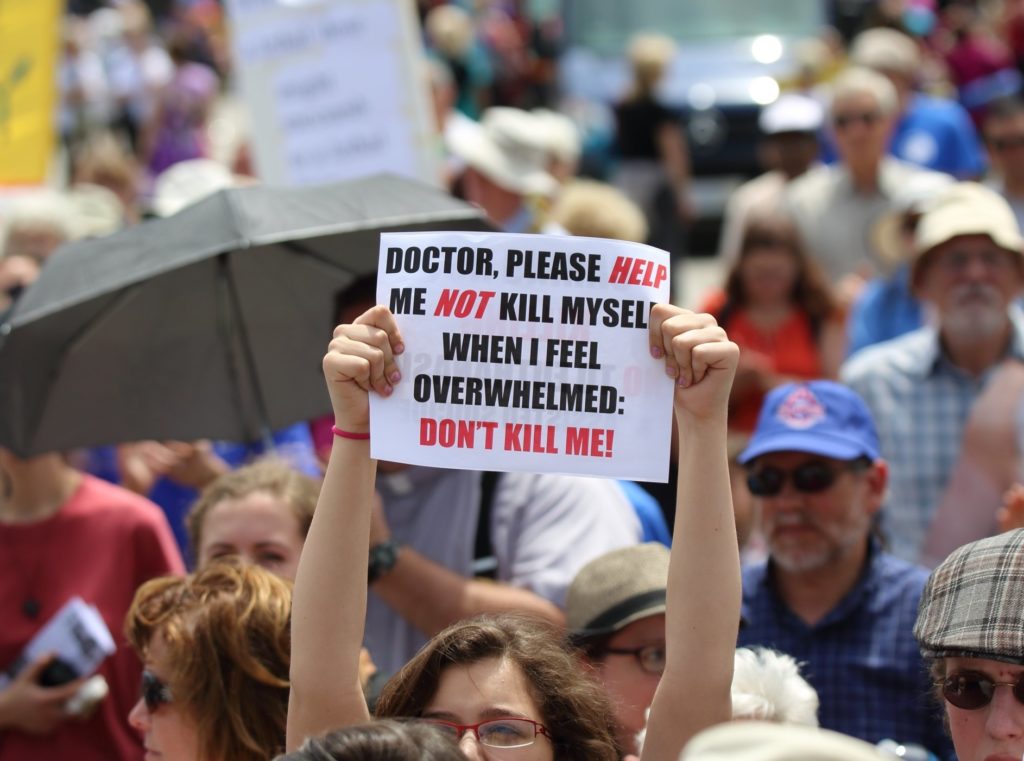
The root cause, however, of the growing acceptance and use of assisted suicide and euthanasia is the West going adrift from its Christian anchor.
It’s an anchor weighted with the ideas of sanctity and divine will, in which the killing of the innocent is a violation of the divine law and an offense against the dignity of the human person — a “crime against life” as it is described by the Church. We drift now in materialism and individualism, and Noelia and the other vulnerable victims drown in the cult of self-determination. That grim religion urges its followers to exercise their autonomy at all costs, even unto death.
It also adjudicates the value of life on very narrow, shallow grounds. A purely materialistic “quality of life” meter reduces the infinite variety and grandness of the human experience to a grim calculus in which only material signs of flourishing are measured. Is it any wonder that poverty — in the most affluent societies ever known to man — has itself become a reason for assisted death?
If one thing comforts me, however, it is the thought that killing and suicide can never find a comfortable home in the human heart. We can’t ever find them truly liberating or courageous. That’s because there’s a divine spark inside of us that flies up toward life, no matter how brutal our culture becomes. This spark is why the world was horrified at the killing of Noelia.
In her story of trauma, disability, and despair, we were confronted by the eternal problem of another’s pain. And our hearts, created for love, recoiled at the thought that there could be any compassion in the offer of a needle filled with poison. We are better than that, although we failed Noelia.