Saint of the day: Margaret of Scotland
St. Margaret was born in Hungary, to a royal family, around 1045. Her father was Edward Atheling, the heir to the English throne, and her mother was Princess Agatha of Hungary. When she was 10, Margaret and her family returned to England. During the Norman Conquest, her family […]
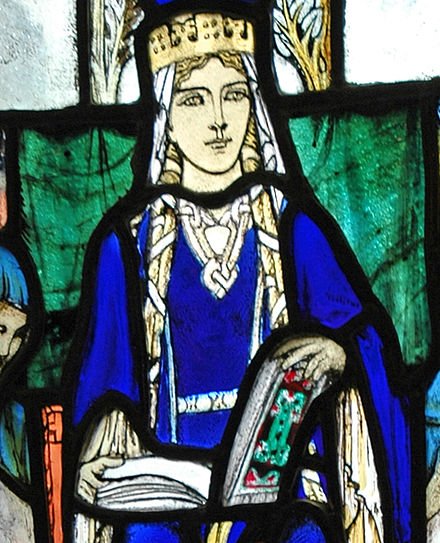
St. Margaret was born in Hungary, to a royal family, around 1045. Her father was Edward Atheling, the heir to the English throne, and her mother was Princess Agatha of Hungary. When she was 10, Margaret and her family returned to England. During the Norman Conquest, her family was forced into exile, although by then, Margaret’s father had died. Her mother took their children onto a boat to escape, which crashed on the coast of Scotland.
When she was 25, Margaret married Malcolm Canmore, the king of Scotland. Her devout faith inspired her husband to become more pious, and to lead with virtue rather than his temper. Her example of purity and reverence also moved those in her court, and she and the king spent a great deal of time praying and feeding the hungry, showing their people how to live their faith.
Margaret was a holy example of wife and mother. She had six sons and two daughters, and one of her sons was also a saint, the youngest, St. David. Margaret worked to improve the community in Scotland, building churches and encouraging religious devotion.
Margaret died in 1093, four days after her husband and one of their sons died in battle. Pope Innocent IV made her a saint in 1250, and she was made the patron of Scotland in 1673.
Start your day with Always Forward, our award-winning e-newsletter. Get this smart, handpicked selection of the day’s top news, analysis, and opinion, delivered to your inbox. Sign up absolutely free today!