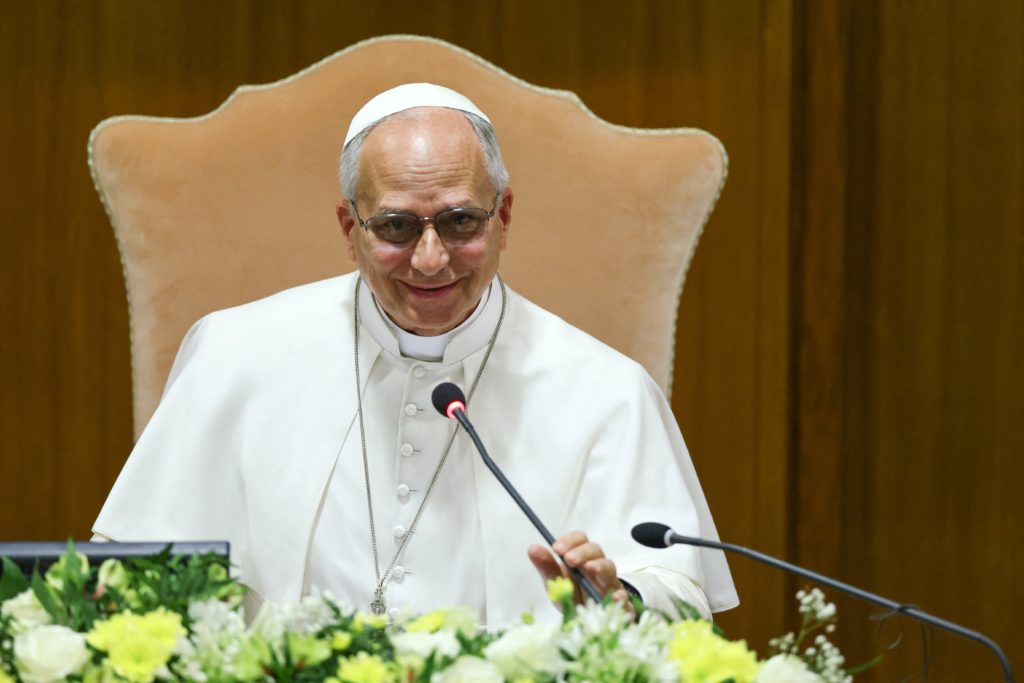
In his recent encyclical on artificial intelligence and human dignity, Pope Leo XIV offers an unexpected reflection on the Church’s historic response to slavery, writing in the context of new forms of slavery enabled by new digital technologies.
“It is true that past events cannot be judged anachronistically, as though the moral criteria that matured over time had always been available,” the Holy Father writes. “Yet neither can we deny or diminish the delay with which both society and the Church came to denounce the scourge of slavery.”
He continues with a heartfelt apology, writing: “It is impossible not to feel deep sorrow when contemplating the immense suffering and humiliation endured by so many in stark contrast to their immeasurable dignity as persons infinitely loved by the Lord. For this, in the name of the Church, I sincerely ask for pardon.”
For some Black Catholics in America, these words will be welcomed as a long overdue apology from the head of the universal Church. For others, these words may stir grief and disappointment, and feelings that the Church still has not gone far enough to right the wrongs of the past.
Such varied responses reflect the depth of the wound and the seriousness of the history of slavery, and the enduring legacy of racism.
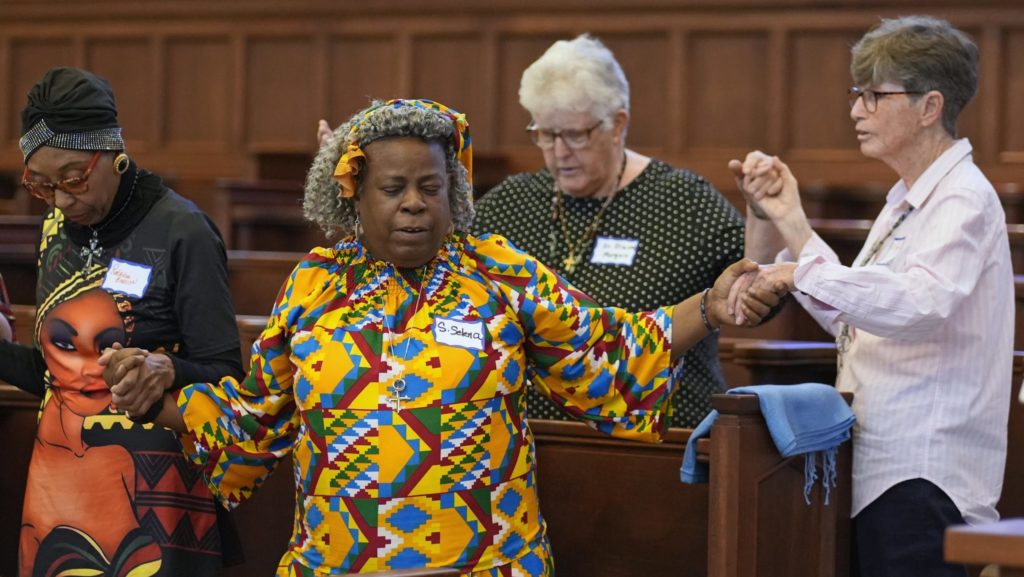
As a Black Catholic, I know the Church as a place of devotion, belonging, and grace, all the while being conscious that Black dignity is not always honored. I also know that despite this painful legacy, Black Catholics have continued to pray, serve, lead, and build up the life of the Church.
This is why Leo’s recognition of the past matters. He affirms what we have long known to be true — that our God-given dignity was never erased, not by the sins committed against our ancestors, or by the Church’s silence about these sins.
The pope’s words are especially meaningful as we mark Juneteenth, the national holiday that commemorates June 19, 1865, when Union forces arrived in Texas and freed the enslaved people there — more than two years after President Abraham Lincoln’s Emancipation Proclamation had declared them free.
In many ways, Juneteenth is a sad reminder of the Black experience in America — the painful distance between proclamations of our dignity and our lived experience.
On this Juneteenth, our Holy Father has given us a challenge to our conscience as Catholics.
“The memory of past complicity and blindness in the face of the injustice of slavery becomes a call to vigilance,” he writes. “What we have learned must be translated into discernment and responsibility in the present.”
The encyclical’s call to break the chains of new forms of slavery reminds us that exploitation does not end because it is condemned. Too often, it simply changes form.
The communities most wounded by historic slavery are often those still vulnerable to trafficking, economic exploitation, and systems that diminish human worth. In the face of these outrages to human dignity, the Church is called to move beyond denunciation to concrete actions to defend the sacred worth of every person.
We also need to follow Jesus in seeking out those our society relegates to the margins. Who in our parishes, our neighborhoods, our families are waiting to be seen? How will we cross toward them with the courage, humility, and compassion of Jesus?
The pope’s apology has brought truth and repentance together. He has opened a door to healing, by inviting all of us in the Church to remember honestly, to repent sincerely, and to continue the hard work of becoming the people of God that Jesus calls us to become.
What we do next, as Catholics, will help determine whether this bold proclamation takes root in the life of the Church