Growing up, we always knew when it was “Mission Sunday.” A priest we did not recognize would come up to the ambo after the Gospel and, although he was from St. Louis or Omaha, he spoke with a strange hybrid accent from all the time he spent in some remote corner of the earth tending to God’s people. We also knew we would be in for a long talk.
These priests, regardless of their own origins, would tell similar stories about drinking water or the lack thereof, poor education opportunities, and even dangers at the hands of political unrest in countries a lot of us could not find on a map. They would ask for help. When we were kids, our parents dug into their pockets and put something in the supplement envelope. When we grew up, we did the same thing.
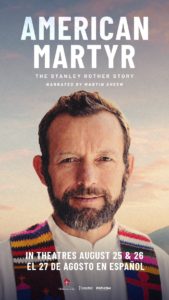
But the world of the missionary has remained an elusive concept, especially from one living in middle-class Los Angeles or anywhere else in the United States. The new documentary, “American Martyr: The Stanley Rother Story,” helps change that. It is a story any middle-of-the-road American can relate to.
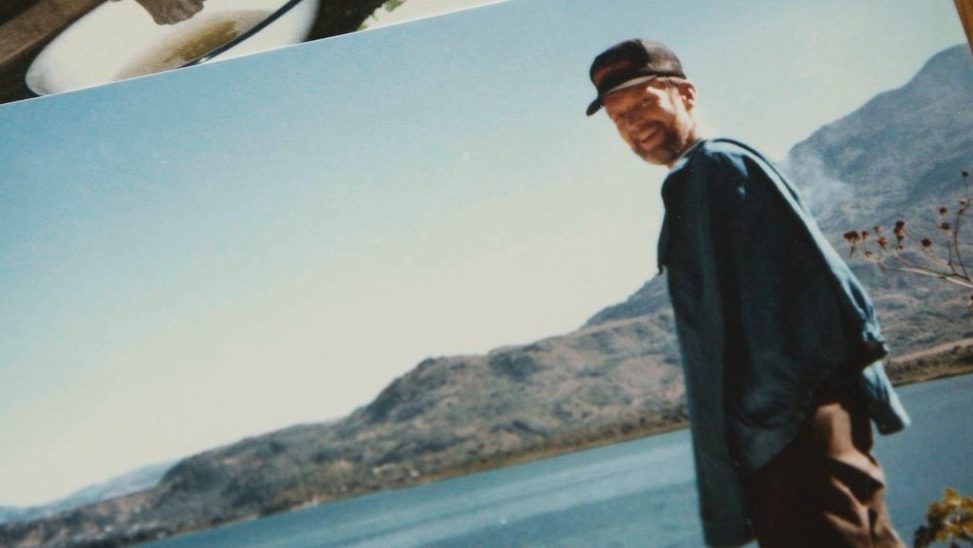
The film, narrated by Martin Sheen, chronicles the life trajectory of a special man who was exceptionally ordinary in so many ways. We see his life through the testimonies of friends and family and learn a lot about his formation. From growing up a mechanically inclined farm boy in rural Oklahoma, born into a massively extended German Catholic family where there were Rothers everywhere you looked, Father Stanley’s vocation flowered at the tender age of 18, when he decided to enter the seminary after high school graduation.
He was not an intellectual. He was not a great thinker. Nothing in this documentary would make you think he would have been a good podcaster. He did not have that “wild side” curriculum vitae other saints have had either. In so many ways, as the documentary explores with love and admiration, he was just a simple man with a simple faith.
But his journey was extraordinary. He floundered academically in seminary for six years until seminary administrators informed him that he was not priestly material and dismissed him. He found himself back on the farm in Oklahoma, but through God’s grace the wind that slammed one door shut blew open another and he was given a second chance at Mt. Saint Mary’s Seminary in Maryland. In 1959, this very ordinary student was ordained back home in Oklahoma.
After serving several years as a diocesan priest, his spiritual destiny changed forever with an assignment in the remote hill country of Guatemala to minister to the indigenous people there. That is where this film finds his heart and soul — as did he.
Languages were never Stanley’s strong suit — just ask his Latin professors in the seminary. He did not know how to speak Spanish. But that was not as big a problem as one might think, since the indigenous people he was sent to help in Guatemala did not speak Spanish either. Instead, they spoke any combination of some 20 different ancient Mayan dialects.
But the people did not need a linguist or an intellectual. They needed the two things Stanley had in ample supply: an encyclopedic knowledge of practical farming techniques and an abiding faith in Christ and his Church.
The film pays homage to this combination and demonstrates how it changed lives in this remote corner of the world. Stanley gave them the skills to live healthier lives, and he transmitted the faith to feed their souls.
As we learn in the film, even Stanley’s martyrdom had a mystic simplicity to it. He did not protest in the streets against a regime’s inhumanity; he did not rally angry mobs behind him and demand change. He simply helped people better their lives materially through sustainable farming, broadened the prospects for their children, and through his simple example, led many of them to Christ.
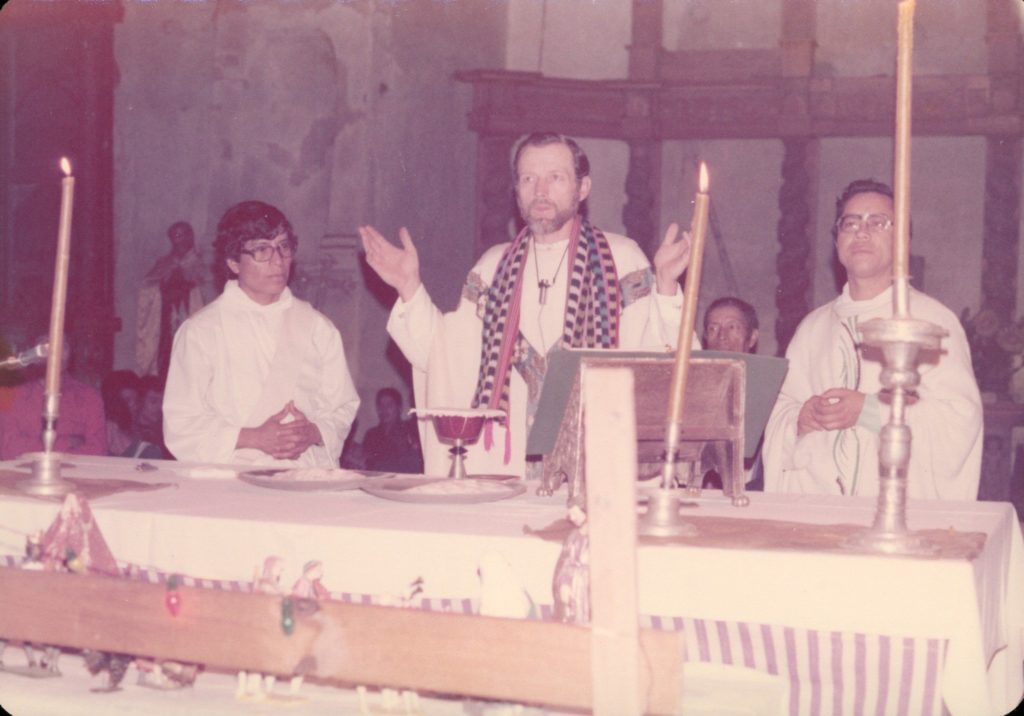
Yet Central America in the 1980s was not the land of happy endings. It was a time of political upheaval and Cold War proxy conflicts, and several countries like Guatemala were embroiled in strife. A violent soup of elites trying to maintain power and communists and liberation theologians trying to wrest that same power away from them by any means necessary made Guatemala a very dangerous place, especially for a priest who was helping indigenous people, already considered third-class citizens in a very class-conscious social structure, rise above the level of modern-day serfdom.
When death squads appeared in the Guatemalan high country, Stanley’s superiors called him home to Oklahoma. If there is an apex to his journey toward sainthood, it was here, when he had his “Quo Vadis” moment and petitioned his superiors for his return to his people in Guatemala. The request was granted and, like St. Peter and many saints before Blessed Stanley Rother and since, his earthly journey would end by violence and as this film portrays so deftly, his spiritual journey continues.
“American Martyr: The Stanley Rother Story” is playing Aug. 25 and 26 in select theaters in English, and Aug. 27 in Spanish. For times and dates, visit Fathom Entertainment.