
I wish physicians shared the high standards of veterinarians.
This sounds like a bizarre statement, I admit, especially coming from a physician. But allow me to explain.
Some years ago we had a beloved pet called Poochie. She was a ragged little white mutt with a sterling character. The children were greatly attached to her. When already advanced in years, Poochie suffered a broken hip. After the veterinarian examined the dog as she whined and shook on the cold metal table, she recommended an expensive operation with a long and painful recovery. For weeks, Poochie would have to be nursed, medicated, and carried out to relieve herself many times a day. At the end of it, she would be an elderly dog with a limp and probably chronic pain.
I did a rapid-fire calculation in my head, weighing the dog’s pain, her age, and the hard work of nursing her that would fall on me, someone with a job and five children. I asked her veterinarian to euthanize her. I felt it was the compassionate and caring thing to do.
The veterinarian balked. She looked at poor Poochie and saw a valuable living creature that should be cared for until her natural death — even if it was difficult and expensive. In her office she saw herself, and acted, as her patients’ advocate and ally. She argued strongly for Poochie and, in the end, said that if I felt it was best to euthanize her, I would have to go somewhere else.
I learned that day to be ashamed of my own medical profession. We simply don’t have, collectively, the same respect for some of our patients’ lives that veterinarians do for theirs. If we did, elective abortion would be tremendously difficult to obtain. A woman seeking to electively end the life of her unborn child would find a thick and solid wall of allyship with the child standing between her and her goal. Just to bring up the subject would bring a gasp of disbelief from her obstetrician/gynecologist, who trained for years to learn how to bring the unborn safely through the dangers of pregnancy and birth.
The language of the two professional organizations that draw ethical guidelines makes the contrast stark. The American Veterinary Medical Association (AVMA) states: “A veterinarian does not have an ethical obligation to deliver care or perform procedures requested by a client that they believe would cause unnecessary pain and suffering for the patient.”
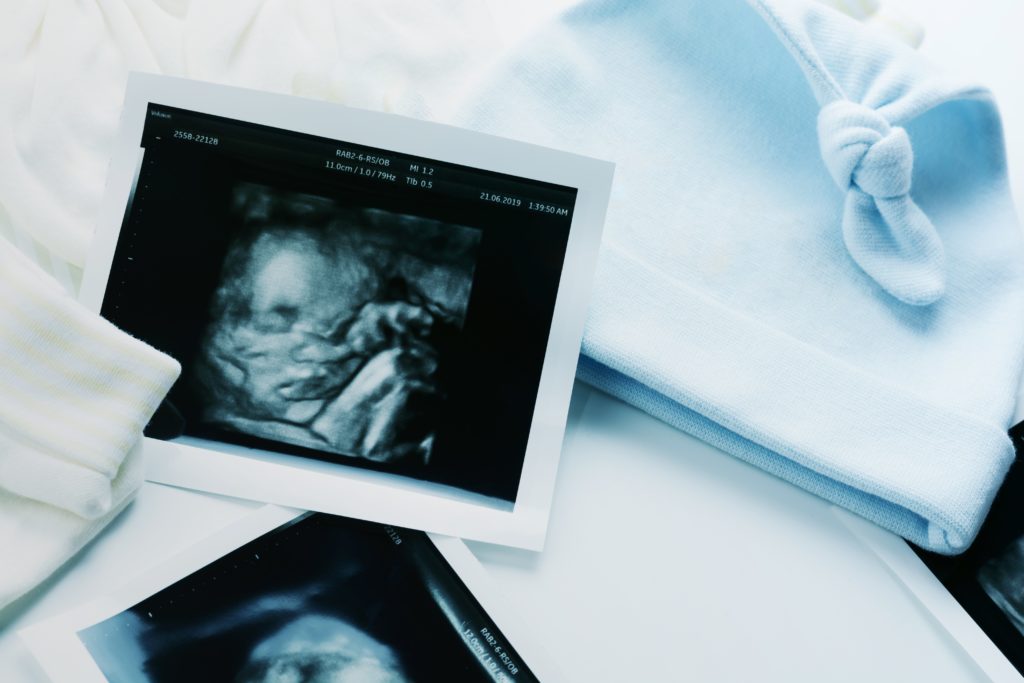
They name the animal as the patient and the owner as merely a client. The American College of Obstetricians and Gynecologists (ACOG), by contrast, says the only patient is the expectant mother. It tells clinicians to avoid using the word “baby” because that would “center the procedure on the fetus rather than on the pregnant person who is the clinician’s patient.” It says that the obligations of the doctor are toward the mother and her desires, not with the unborn child. It also calls all abortions “health care” and does not even recognize the idea of elective abortion, which are the great majority of abortions, and which are performed for the mother’s convenience, not for health reasons.
This kind of ethical discrepancy is how the two professions have so greatly diverged. AVMA’s code keeps centering the creature that can’t speak for itself. ACOG’s guidance tells clinicians not to center the creature that can’t speak for itself. Veterinarians act nobly when they protect a patient who is someone else’s property, and they have built a whole professional identity around advocacy for the patient even when it conflicts with the owner’s convenience.
Obstetricians’ professional ethics — as written by their own professional society — does the opposite: it takes away patient status from the dependent creature so that the decision-maker’s motivations — including reasons that would look like convenience in the vet’s office — won’t be challenged.
Of course, the expectant mother is not an owner but the body through which the fetus can be treated. Bodily autonomy is important, but it does not explain why a specialty society should treat a class of people as morally weightless and why they would call a late-term abortion of a healthy baby “essential health care.”
I felt the difference right there at the veterinarian’s office. I knew that in my city a pregnant woman could obtain an abortion for any reason at any number of places, with no pushback or questions asked. I knew many obstetrician-gynecologists who treated a fetus as a valuable patient until the mother no longer wanted the child, and then would turn easily into “hired assassins,” as Pope Francis so memorably put it.
But not my veterinarian, who argued strenuously for Poochie’s life. She and her colleagues would not turn from patient advocate to hired assassin just like that.
It made me quite ashamed of my own profession, which has gone badly astray.