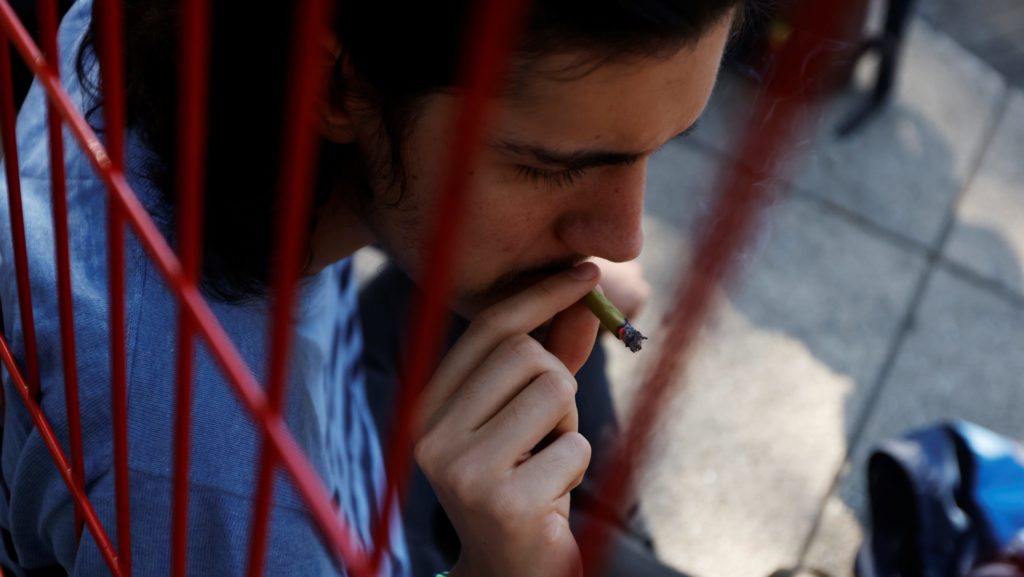
Weed in America is riding high.
In 2011, no state in the union legally allowed cannabis for personal, non-medical use (not that that ever stopped Seth Rogen, Snoop Dogg, or Willie Nelson). A decade-and-a-half later, almost half the states allow recreational marijuana, and a new change in Washington will soon make cannabis easier to sell and market.
This explosion of access has the potential for dramatic ramifications for society at large.
Already, emergency room visits due to accidental marijuana-related poisonings are up; the number of workers’ absentees due to marijuana use has risen; and the reports of women finding that too many young men are more interested in getting high than maintaining a healthy relationship are worrisome. A casual attitude toward weed raises some questions for the Church, and anyone concerned about the well-being of young men, in particular, who are most likely to use marijuana on a regular basis.
The Church has long held that the use of drugs, apart for medicinal or therapeutic reasons, “inflicts very grave damage on human health and life.” Doing drugs like marijuana to get high, theologians have long argued, is a deliberate attempt to set aside reason, and thus become more susceptible to sin, while also risking the long-term damage some studies have shown marijuana dependence can cause to health and well-being. In 2001, the Pontifical Council for Health Pastoral Care even put out a handbook devoted to the rise of drug use and abuse.
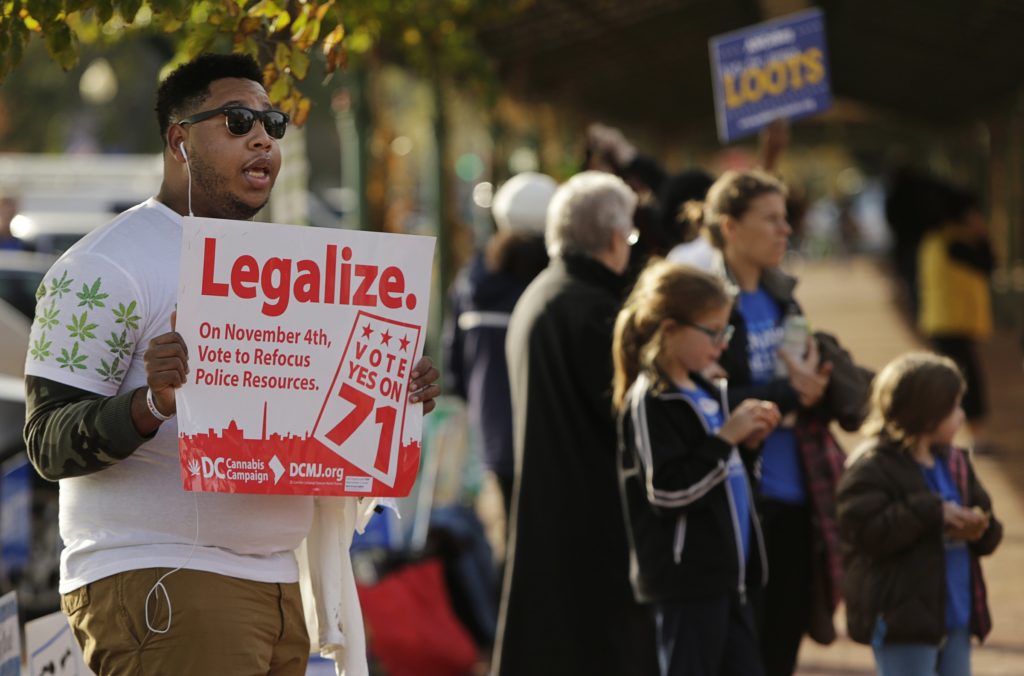
The Church has weighed in on the public policy ramifications of marijuana legalization as well. When marijuana has been on the ballot, bishops’ conferences in New York, Florida, Massachusetts, and Illinois, among others, weighed in against greater access to recreational drugs. Following legalization in their state, the bishops of Minnesota put together a resource page, “Living in the Real,” that lays out some of the costs and consequences of habitual marijuana usage.
Recently, Denver Archbishop Samuel Aquila, whose state was among the first to legalize marijuana in 2012, wrote a pastoral letter laying out his case that “the legalization of marijuana and cultural acceptance of drug use have been disastrous to our society.” In it, he quoted St. Pope John Paul II’s remarks that taking drugs “is always illicit, because it involves an unjustified and irrational renunciation of thinking, willing and acting as free persons … the human being has no right to harm him/herself, nor the right to abdicate one’s personal dignity, which comes from God!”
Some may wonder how this is any different than alcohol, which as everyone knows, can also lead to a renunciation of acting of one’s own free will.
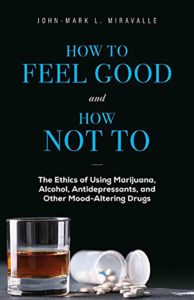
There is a big difference: many people can enjoy a glass of wine, or a hand-mixed cocktail, without losing their grasp on reality or rationality. As theologian John-Mark Miravalle points out in his book “How to Feel Good and How Not To: The Ethics of Using Marijuana, Alcohol, Anti-depressant and Other Mood Altering Drugs” (Sophia Institute Press, $11.10), the point of drugs is to get you high — if they don’t, you’d consider it a waste of money.
In most cases, the point of alcohol is enjoyment and relaxation — you wouldn’t consider it a waste of money if it didn’t get you drunk. In the same way that drinking to get drunk is considered a sin against human dignity, while drinking to enhance a night with friends is not, taking drugs in order to alter your conscience is something that the Church looks on with extreme concern.
Of course, not every point raised by those in favor of marijuana legalization can be disregarded. There is some evidence that marijuana can be beneficial for those with chronic pain, even if sometimes overstated by weed’s strongest supporters. Some prosecutors have been overzealous in filing charges related to marijuana possession, even if the scale of weed-related prison sentences is often overblown in the public imagination. And many, perhaps even most, people who try weed can manage to keep their usage from spiraling into addiction or dependency.
But the public health concerns lie not in the average user’s individual experience, but the cumulative impact of a cultural shift toward more frequent and more intensive use across the population. The overall effects of America’s plunge into reefer madness is showing up on job sites and emergency rooms. A decade after the first states legalized recreational marijuana, positive tests for the drug following on-the-job accidents tripled, according to the Wall Street Journal. One in five lifetime users show some sign of cannabis use disorder.
For young people — the share who are most likely to consume it — marijuana is associated with lower levels of education, lower earnings, and less marriage and family life. Plenty of research confirms that the drug makes young men, in particular, more inclined to drop out of society. That’s hard to reconcile with the Church’s vision of a life well lived.
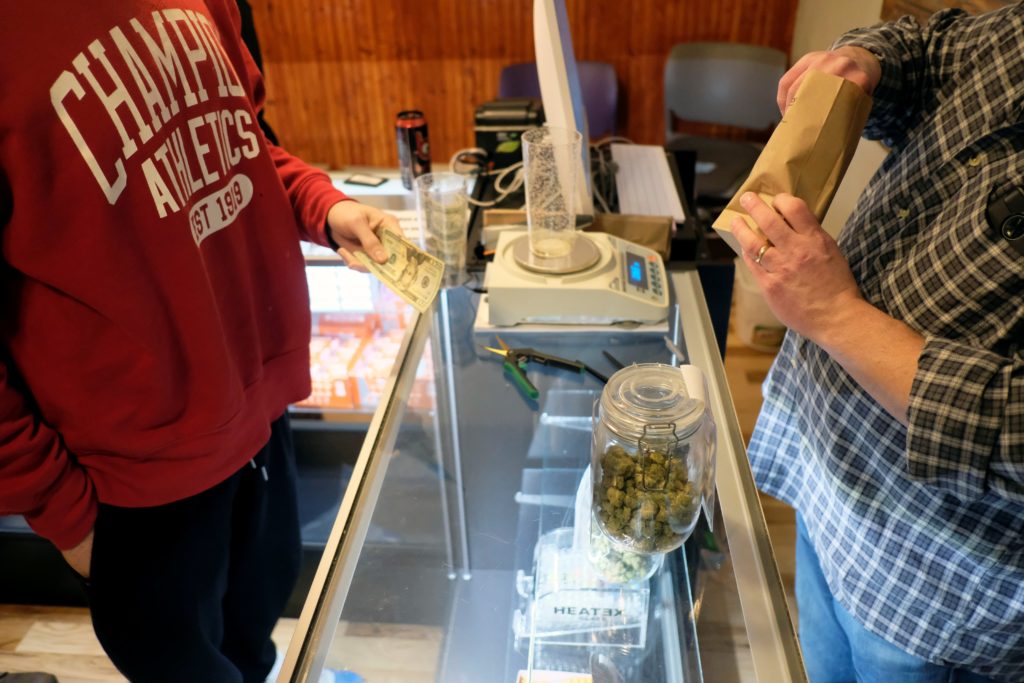
Part of the rise of disorders related to marijuana usage is simply because of the greater availability of the drug, which was first legalized for medical reasons in California in 1997. The Trump White House is in the process of easing some restrictions on marijuana nationwide. This will make it easier for sellers to commercialize the product, which will lead to rates of usage going even higher. Promising investors higher returns by getting more Americans hooked on an addictive substance is a troubling approach to stewarding the common good.
Additionally complicating this push is that today’s weed is much more potent, ounce for ounce, than the product smoked behind Volkswagen camper vans outside of a Grateful Dead concert in the 1970s. The National Institute on Drug Abuse found that the average level of the main chemical in cannabis has increased more than tenfold over the past 50 years. The more mellow high of the Doobie Brothers has been replaced with the sour odor that permeates the street corners of nearly every U.S. downtown.
But simply greater accessibility and a more potent product does not explain why marijuana use has become so widespread. There have to be buyers, after all, for the products being sold.
One insight comes from its nature. Marijuana is less a relational or social drug than alcohol or so-called “party drugs” — it’s often used less to facilitate a good time than to numb emptiness and fill vacant hours. A young man who comes home from work and lights up a joint while flipping through short-form video content on his phone is hardly living his best life — he’s dulling his reality.
Or, as Cardinal Joseph Ratzinger wrote before becoming Pope Benedict XVI: “Drugs are the pseudo-mysticism of a world that does not believe yet cannot rid of the soul’s yearning for paradise. Thus, drugs are a warning sign that points to [something] very profound … they disclose a vacuum in our society, which that society’s own instruments cannot fill.”
The rise of marijuana and other illicit substances is a sign of spiritual emptiness. They reflect a society that is prosperous economically, yes, but shorn off from too many of the social relationships and connections we need to truly belong. For most of us, daily life does not mean a fight with the elements to scratch out just enough sustenance to stay alive, nor a struggle to maintain dignity against the demands of an oppressive regime. Instead, too many are able to drift by, uninterested in or unwilling to being called for more. Reaching those religiously and socially unaffiliated may be one of the biggest challenges facing the Church in the next century.
That’s a painful reality that no change to drug enforcement can grapple with. We need more wisdom and prudence around access to drugs like marijuana — as well as ones with even clearer downsides, like fentanyl and heroin — to call young people to something more than dulling life’s frustrations and filling hours in a meaningless haze.
Meanwhile, the Catholic Church, perhaps uniquely, can speak to the ennui young people feel in a life without thick bonds or timeless values. More than “just saying no,” it can offer a resounding “yes” to belonging, community, and communion.