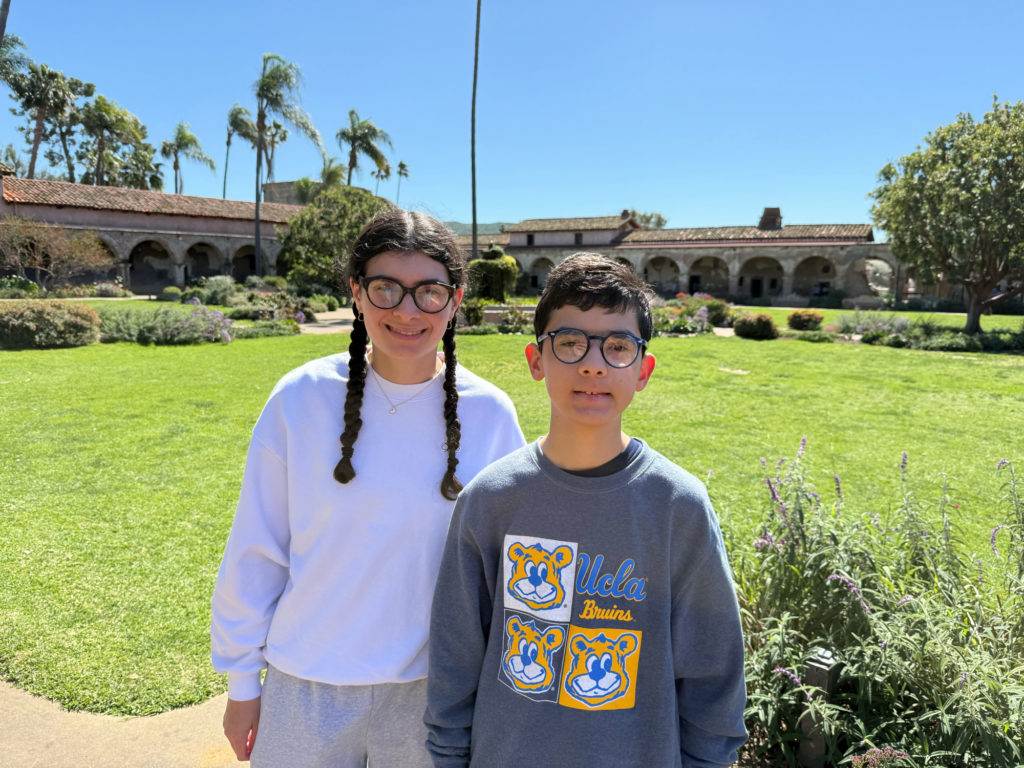
Jamie Sim isn’t going to pretend the struggle wasn’t real.
For Lent this year, Jamie and her fellow students at the St. Martin of Tours School in Brentwood were challenged to abstain, as much as possible, from technology — “unplugging with intention,” as Principal Debbie Margulis put it.
But for Jamie, a seventh-grader, the sacrifice brought her more joy, she said, despite the urge to reach for her phone, computer, and other digital gadgets.
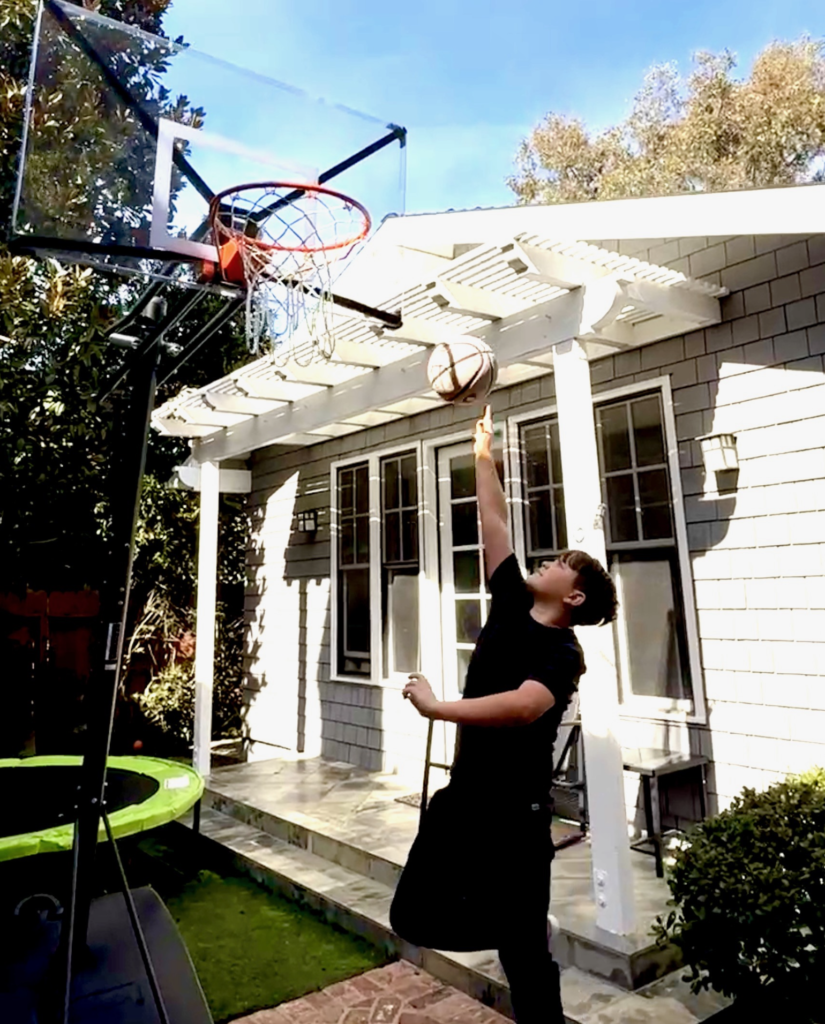
She’s playing lacrosse, her favorite sport. She’s reading more.
And she’s doing more socializing — face-to-face, in person.
“This has been a truly interesting experience and has given me great perspective,” Jamie said.
It’s something school leaders hope will carry forward beyond Lent.
Margulis was inspired to launch a “Fasting from Technology” challenge after taking a recent deep dive, along with school parents, into the bestseller, “The Anxious Generation” (Penguin Press, $16.98), by Jonathan Haidt, who points to excessive screen time as a significant contributor to the epidemic of mental illness in youth.
Margulis created a Lenten family commitment form for parents and students to sign that listed the type of technology students pledged to abstain from (social media, video games, phone use, etc.), the duration (number of hours per day, no technology on weekdays, for example), and, most importantly, what they planned to replace this time with (family meals, prayer, outdoor play, etc.).
“This is a topic that resonates deeply with our community, as we believe it is essential for families to intentionally step away from technology from time to time and reconnect with one another in more meaningful, present ways,” Margulis said.
“Much like the tradition of fasting, stepping away from technology can help reorient our priorities, deepen our relationship with Christ, and open us to hear God’s voice more clearly in our daily lives.”
Most of the school’s 170 students bought into the challenge.
Poppy, a second-grader, fasted from technology at school except for library book quizzes.
At home, she stopped playing Nintendo.
“Instead,” she said, “I’ve been reading and playing with friends and family.”
There have been other benefits, too.
“I think fasting from technology has been fun and easy because sometimes when I look at screens too long, my eyes start hurting,” Poppy said. “I also get more time to go to church and pray more.”
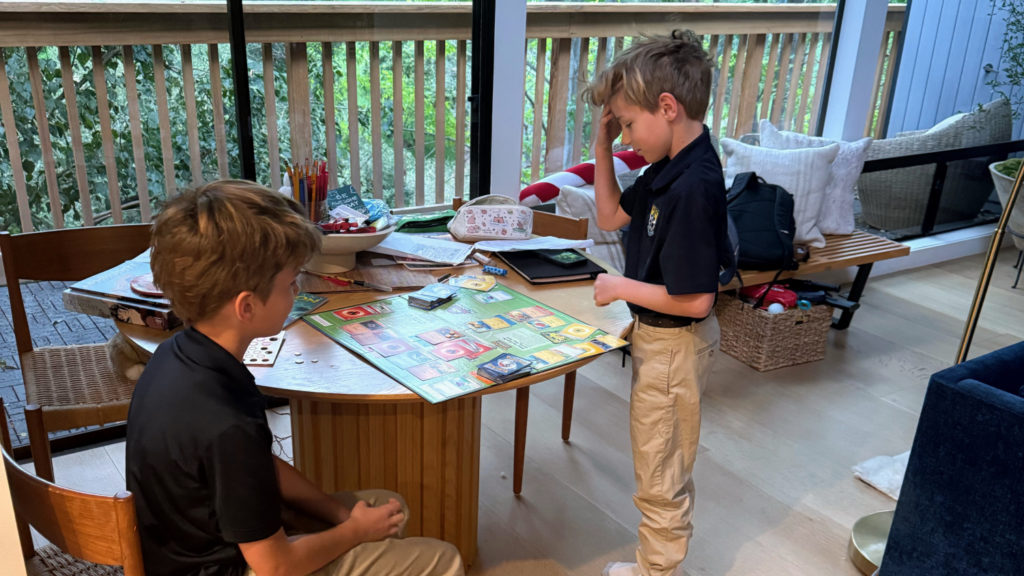
Teresa, a seventh-grader, did a lot more arts and crafts.
“Art has become one of my new hobbies,” she said. “Even though some things were hard about fasting from technology, the outcome has been worth it. I’ve been able to get my homework done faster because I have fewer distractions.
“I think after Lent I will try to continue doing more art instead of technology.”
Amelia, a second-grader, has watched TV only on weekends during Lent.
“I play outside more and look at nature,” she said. “I also like fasting off technology so I can read way more. I realized that life isn’t all about technology — it’s about being a good friend.”
Vivienne, an eighth-grader, decided to fast from social media for 40 days to mirror Jesus’ struggle in her own way.
“Since beginning this fast, I have noticed a change in myself,” she said. “I have made more time for my family, for myself, and especially for God.”
Teacher Steve Martinez said the technology fast “came with its own irony” since he teaches computer science, but “what began as a challenge quickly became a gift, not just for our students but for me as well.”
Martinez says his classroom has been filled with laughter and movement.
“Students ran through games of Sharks and Minnows, Capture the Flag, and Poop Deck,” he said. “They danced freely, without inhibition — rediscovering the simple freedom of expressing themselves through their bodies, unburdened by how they might look on a screen. Our kindergarteners navigated an obstacle course guided by the roll of a dice. It was simple, joyful. Theirs.”
Guitar classes moved outdoors, where music met fresh air and birdsong.
“There is something timeless about learning an instrument in nature — it opens a different kind of listening, a deeper creativity,” Martinez said. “I watched students support one another: some singing out boldly, others quietly working through a chord, and older students stepping in to encourage those still finding their way. That kind of community doesn’t happen on a device.”
As Lent ends, eighth-grader Eva said she’s “immensely grateful” for the experience.
“At the beginning, staying off my phone was difficult, but as we end, I have felt more productive and active,” she said. “Instead of doom-scrolling, I’ve spent time running outdoors, reading five books, and playing board games with my family — time that I would usually spend online is now filled with exploring new worlds.”
Margulis said what has been particularly inspiring about the challenge is seeing how seriously her students have embraced it.
“In the classroom, teachers are also noticing increased attentiveness and richer interpersonal connections among students,” she said.
Since some parents are afraid to take things away from their children, the challenge allowed the school to “be the bad guy,” Margulis said.
As for her, she’s enjoyed puzzles, spending time with friends, and reading instead of looking at “ridiculous” Facebook and Instagram reels.
Margulis plans on making the challenge an annual Lenten tradition.
“This has reminded us that when we step away from distraction, we make room for what truly matters — our relationships with one another and with God,” she said.