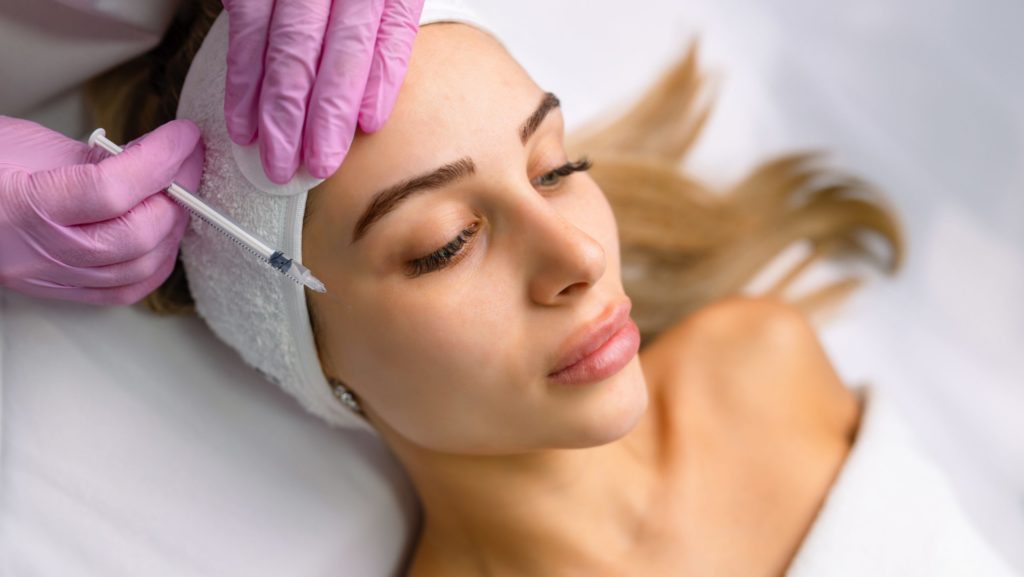
All at once, the algorithm has discovered that I’m aging. My social media feeds are filled with ads for retinol. YouTube is urging me to look for signs of perimenopause. Even my podcasters are promoting peptides. It’s been an abrupt start to my 40s.
The impending doom has followed me offline, too. Playground chatter among moms now ventures into whether to go the filler, Botox, or eyelift route first. I had to look up what parts of a face can even be filled before I could even follow the conversation.
A woman's fear of aging is not new. Along with labor pain, it’s probably one of the most devastating consequences of the Fall. In economic terms, beauty has long functioned as a woman’s currency. In theological terms, it softens hearts and lifts the mind toward what is transcendent.
Taking pride in one’s appearance is a good thing. Many Italians — St. Gianna Beretta Molla among them — have spoken of la bella figura, the imperative to dress well and present oneself with care.
But sure as the sun will rise, a woman's youthful glow will fade. Age spots will appear on her hands. Crow’s feet will creep in around her eyes. Gray hairs will weave themselves among her darker strands.
Today, the question to women is less “How can you highlight your natural beauty as things change?” and more “What are you going to do to stop it?” Getting old has become passé.
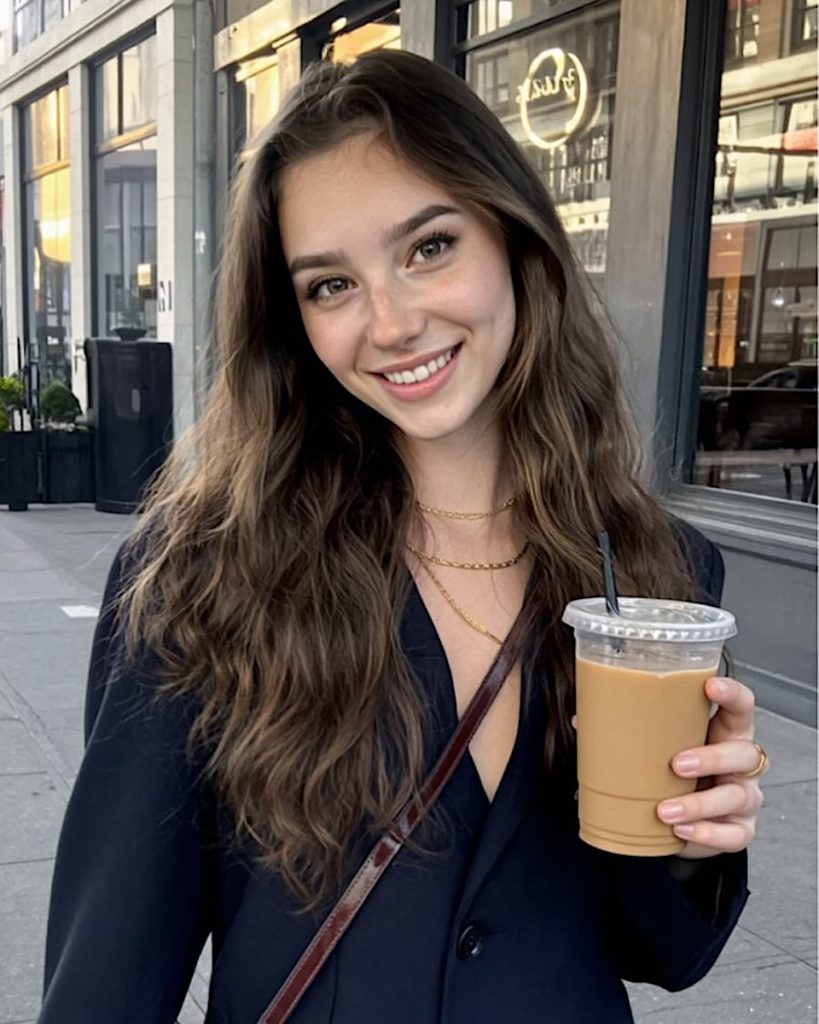
Our celebrities aren’t making it easy. Thirty years ago, Betty White portrayed the quintessential 50-something woman on “The Golden Girls.” By comparison, Jennifer Lopez, 56, and Jennifer Aniston, 57, are today’s aging icons.
What’s different today is that beauty standards are no longer set by real people. The faces populating our online ads and social feeds are generated by algorithms trained on millions of human images, optimized toward an aesthetic that rarely, if ever, exists in nature.
Everyone looks the same: women are thin yet buxom, with full lips and hollowed cheeks; men are lean with sharp jawlines and full heads of hair. Faces are perfectly symmetrical and skin is flawless. The “ideal” images produced by AI tools are so unrealistic that organizations focused on eating disorders are sounding the alarms in droves.
Today’s beauty standard is not entirely out of reach — but it requires extreme and repeated intervention to attain, and aging will eventually render even that insufficient. People are chasing it anyway.
Women are increasingly going under the knife and needle. According to the American Society of Plastic Surgeons, use of Botox and similar injectables rose 73% percent between 2019 and 2022, and three-quarters of plastic surgeons report seeing more patients under 30 than ever before.
And now that Hollywood stars are competing with AI-generated actresses, such as Tilly Norwood, red carpets are starting to look like ad campaigns for weight-loss drugs and a niche procedure in which buccal fat — tissue in the lower cheek that gives a face its roundness — is extracted.
Mallary Tenore Tarpley, author of Slip: Life in the Middle of Eating Disorder Recovery (S&S/Simon Element, $28.99), has voiced concern about the GLP-1 ads like Ozempic that her children, ages 9 and 7, see on streaming services like Disney+.
“The relentless barrage of ads makes us believe that all of us should be striving to make our bodies smaller at all times — and that we’d all be happier, healthier, and more attractive if we did so,” she says. “As someone who nearly lost my life to a childhood eating disorder, I know this is simply not true.”
That ad isn’t an outlier. The anti-aging, body-optimization message has already taken root in Gen Alpha.
Thanks to TikTok and Instagram trends that accelerated during the pandemic, girls as young as 3 have become fixated on skincare routines. One British influencer, Ellie-May, began promoting her own skincare regimen at age 10; now 13, she has more than 330,000 followers.
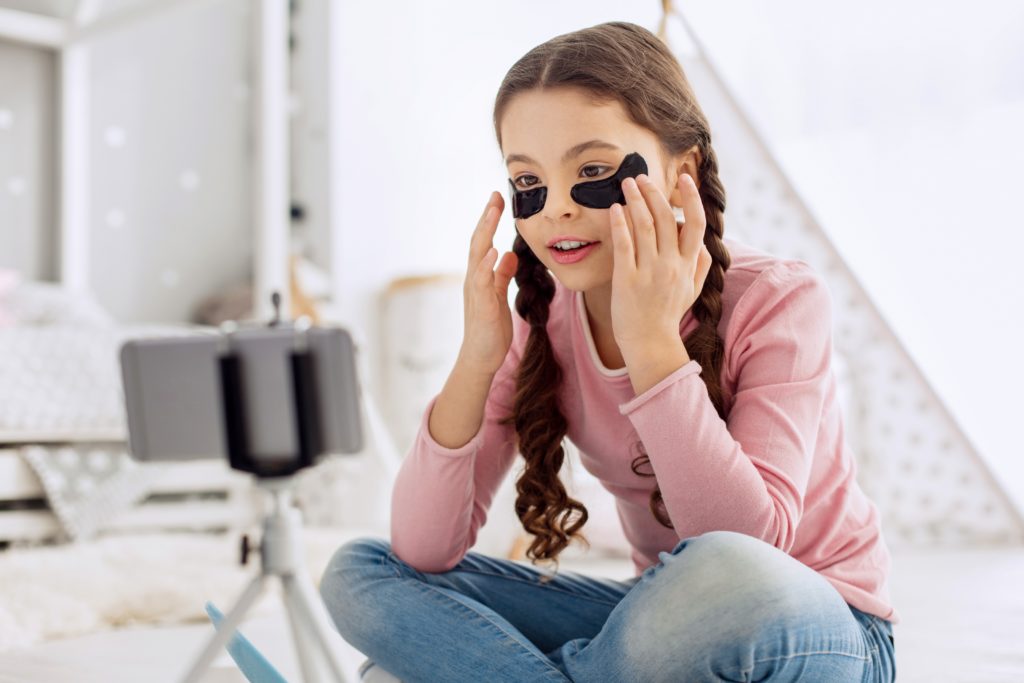
This obsession even has a name: “cosmeticorexia,” or the unhealthy preoccupation with achieving flawless skin. Physicians at Yale Medicine studying the trend warn that many of the products marketed to young girls aren’t just harmful to developing skin — they’re harmful to a developing sense of identity and self-worth.
This fixation isn’t limited to women. “Looksmaxxing,” a phenomenon that originated with online communities of self-described “involuntary celibate” men, has spread like wildfire. In pursuit of maximum physical attractiveness, men of all ages are trying everything from teeth whitening to chin implants to limb-lengthening surgery.
I’m worried about the push to optimize every dimension of human life. Apps and wearable devices now make it possible for us to track calories, steps, sleep — nearly everything about our physical lives. Health influencers and biotech entrepreneurs push cocktails of supplements, cold plunges, hormone therapies, and psychedelics as if they’ve found the Fountain of Youth.
My biggest concern is for my children, who will be AI-natives. Who will help them to swim against the tide?
To my surprise, it’s not doctors, surgeons, or people in the MAHA movement. It’s the Catholic Church led by Pope Leo XIV, who has found his voice on this issue. For an institution often dismissed as out of touch, the Church has its finger on the pulse of the danger of optimizing ourselves into oblivion.
In March, Pope Leo XIV approved a document from the International Theological Commission titled Quo Vadis, Humanitas? (“Humanity, Where Are You Going?”), examining the human person in light of technological change. Importantly, it looks at the philosophical undercurrents of the optimization trend and the cultural moment in which AI is arriving.
The authors acknowledge that biotechnology, neuroscience, pharmacology, and cosmetic medicine have genuinely improved human health and well-being. But they argue these same advances have fostered a damaging “cult of the body” mindset where the body is treated as “raw material to be endlessly modified in pursuit of an idealized, perpetually youthful and fit appearance.”
The result is a paradox: as the idealized body is pursued and celebrated, the real, aging, corruptible body is experienced as a source of frustration to be overcome.
The Church does not categorically condemn cosmetic procedures or prescribe an approved wellness regimen. But it does warn against vanity — and against forgetting what a body is for.
Bodies are gifts to be received, even with their limitations. They help shape our identity, but cannot be conflated with it. They are capable of great sacrifice and love. Our faces alone can express compassion in ways no algorithm can replicate.
In these strange days when I’m fed an endless stream of ads to tweak, lift, augment, and align, I try to keep my mind on the promise of the perfected body that we’ll receive in heaven. The risen Christ still bears his wounds.
The Church offers us better influencers when it comes to thinking about beauty and aging — the saints.
“What is it you want to change?” the great mystic St. Catherine of Siena once asked. “Your hair, your face, your body? Why? For God is in love with all those things and He might weep when they are gone.”