From solemn processions in Spain to dramatic reenactments of Christ's passion in an El Salvadoran prison yard, Catholics around the world commemorate Holy Week with traditions molded by their history, culture and faith.
Images released by the Reuters news agency provide a small glimpse into the various ways Christians remember Jesus' passion, death and resurrection.
While customs may vary, Holy Week becomes for many a unifying moment where communities, great and small, are one in their collective remembrance of God's love for humanity.
Mexico
The feast of Our Lady of Guadalupe is celebrated every year on Dec. 12. However, in Mexico, devotion to the Virgin of Tepeyac is so ingrained into the cultural DNA of the Mexican people that limiting celebrations dedicated to her to just one day is unthinkable.
Indigenous communities, especially the Yoreme Indigenous group in southern Mexico, traditionally begin Holy Week with a devotional practice known as "Adoración a la Virgen de Guadalupe" ("Adoration of the Virgin of Guadalupe"). It is a tradition that, although not part of the Catholic Church's official liturgy, exemplifies how Marian devotion has permeated local traditions.
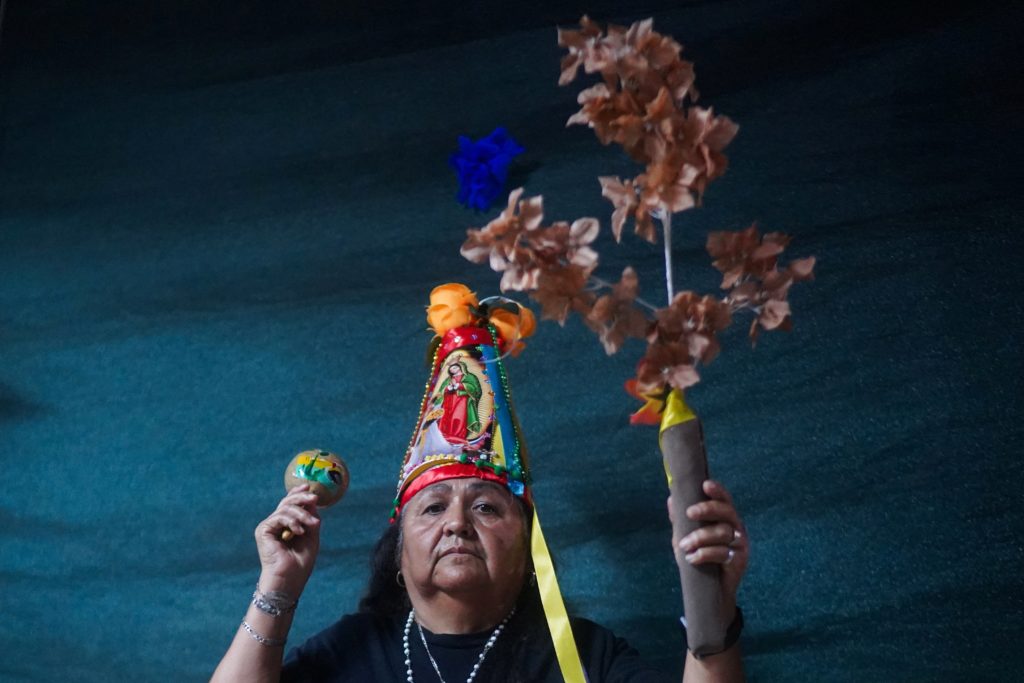
In Ejido Cuernavaca, located in the southern municipality of Mexicali, the Yoreme community commemorates the start of Holy Week with "matachines," the devotional dancers often seen during Dec. 12 celebrations of Our Lady of Guadalupe.
Pascolas, ceremonial Yoreme figures that perform masked dances as a form of storytelling, as well as performances of "la danza del venado" ("the dance of the deer"), an Indigenous ritual dance representing the relationship between humans and the natural world, are common during the celebration.
The "Adoration of the Virgin of Guadalupe" at the start of Holy Week, which has been celebrated by the Yoreme Indigenous community for over a century, reflects the blending of Catholic belief and Indigenous rituals.
Spain
Confraternities or brotherhoods play a special role in Holy Week celebrations across Europe, especially in Spain. Confraternities are voluntary associations of laypeople that promote specific works of Christian charity or piety within their communities.
In the town of Ronda, in the southern province of Málaga, one such confraternity, the "Hermandad de las Angustias" ("The Brotherhood of Our Lady of Sorrows") -- whose origins date back to the late 17th century -- commemorates Holy Week with a solemn Good Friday procession that reflects local tradition and popular devotion.
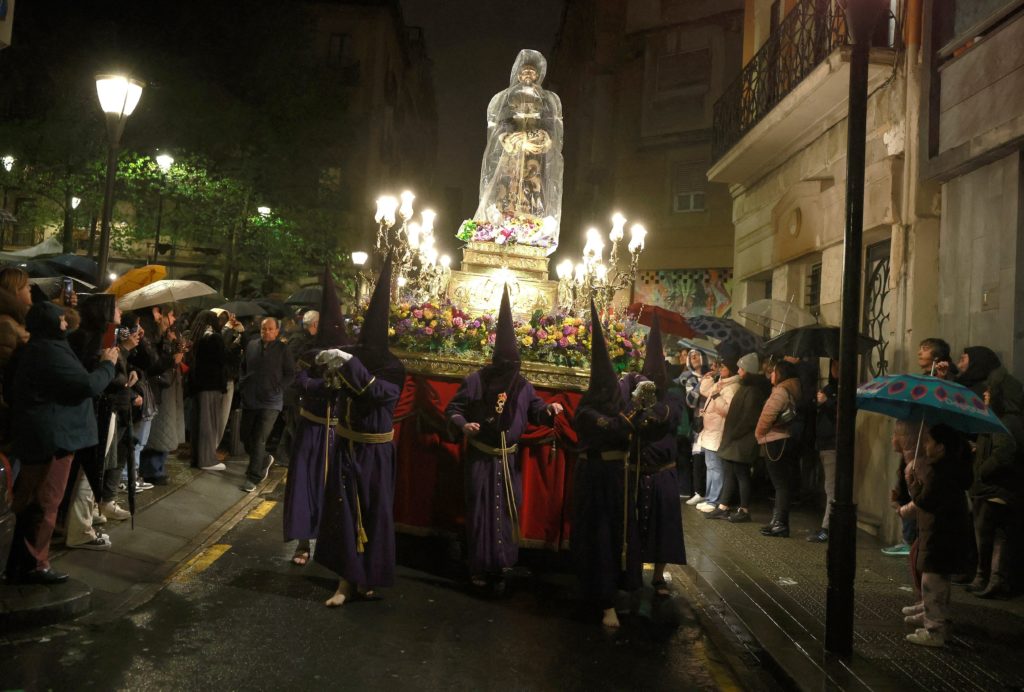
On Good Friday, members of the brotherhood process through the historic streets of Ronda, carrying baroque images of the suffering Christ as well as Our Lady of Sorrows. Steeped in Andalusian tradition, the images are carried on decorative platforms, accompanied by music and penitents, portraying a solemn catechesis on suffering and redemption.
However, this particular celebration is not limited to Ronda, but occurs in areas across the country. For Catholics and nonbelievers alike, the traditional Good Friday processions are not just a religious devotion but an integral part of Spain's cultural identity, connecting them to their history and traditions.
Malta
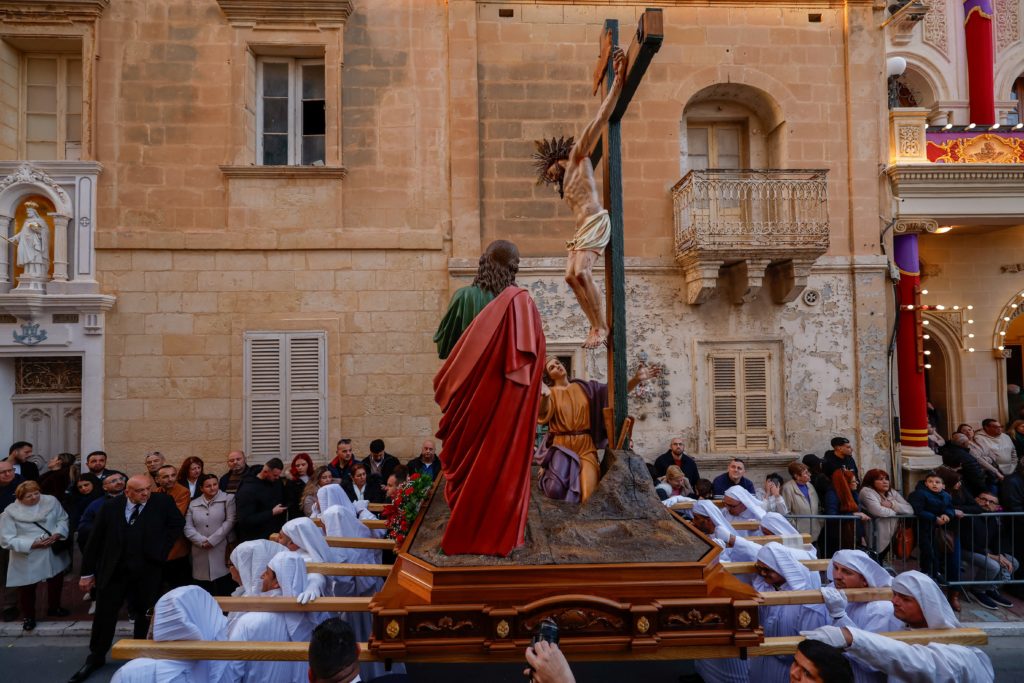
With an estimated 98% of its population identifying as Catholic, it's safe to say that Holy Week in Malta is both a religious and culturally significant event. Across the Mediterranean archipelago, solemn celebrations and centuries-old religious devotions mark the passion, death and resurrection of Christ.
According to the Maltese travel guide Love Malta, an estimated 80 processions organized by local parishes take place on Good Friday each year along the streets of Malta and Gozo. Among the most well-known, it said, is one organized by the Church of Ta' Giezu in Valletta, where penitents are often seen processing either barefoot or on their knees.
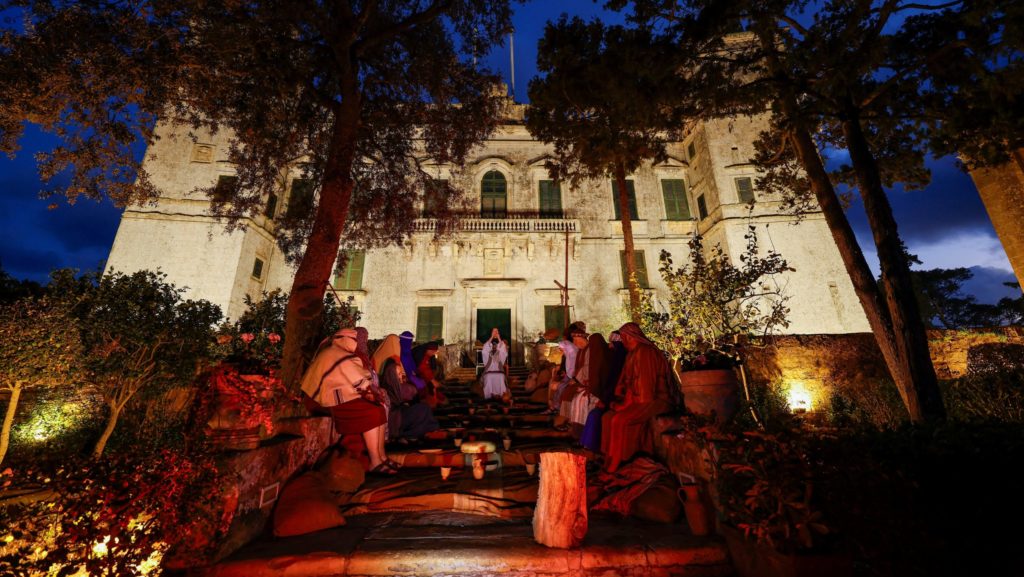
While Passion Plays depicting the events of Jesus' betrayal, crucifixion and death are quite common in countries around the world, in Malta, a high-end production of Christ's passion was held March 31-April 2 outside the 16th-century Verdala Palace in the western city of Siggiewi.
Titled "Il Mixja" ("The Way"), the director of the production said the interactive play is meant to transport viewers to the streets of Jerusalem.
In a 2025 interview, Alan Fenech, the director, said the play is intended to "make those who attend feel as if they were part of the crowd witnessing the last two days in the life of Jesus prior to his resurrection."
El Salvador
Throughout his pontificate, the late Pope Francis showed a particular affection for the marginalized, especially prisoners. Most Holy Thursdays, he chose to spend it celebrating the Mass of the Lord's Supper at various prisons in Rome.
When the COVID-19 pandemic in 2020 prevented him from celebrating with them, he asked prisoners, their families, guards, officers and volunteers to write the meditations for the Stations of the Cross service he celebrated at the Vatican.
For many prisoners around the world, the story of Christ's passion resonates on a different level. Some may see themselves in Christ, an innocent man accused of a crime who ultimately paid for it with his life.
Others may see themselves in the image of the two thieves, one who was impenitent, the other who, in his last moments, repented of his crimes and was promised by Jesus that he would join him in paradise.
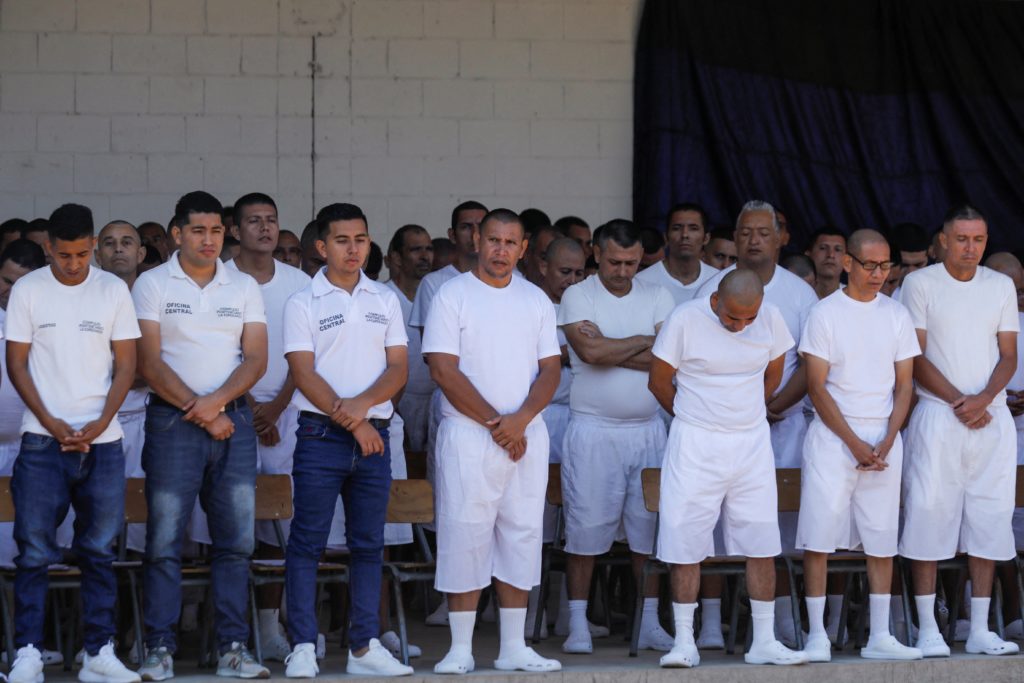
That devotion compelled inmates from La Esperanza penitentiary in El Salvador to organize a reenactment of the Stations of the Cross. According to a Facebook post by the Honduran newspaper Diario el Heraldo, the inmates prepared the performance for a month, including creating the costumes and scenery, as part of their social readaptation process.
The simple, yet powerful imagery of prison inmates recreating Christ's passion evoked the sentiments conveyed in the introduction to the 2020 meditations commissioned by Pope Francis and compiled by Father Marco Pozza, a prison chaplain, and journalist Tatiana Mario.
"Contemplating Calvary from behind bars is to believe that an entire life can be played out in a few moments, as happened to the good thief. All it takes is to fill those moments with truth: contrition for sins committed, the realization that death is not forever, (and) the certainty that Christ is the innocent man unjustly mocked," the introduction read.